Featured

Manas meets Mansarovar


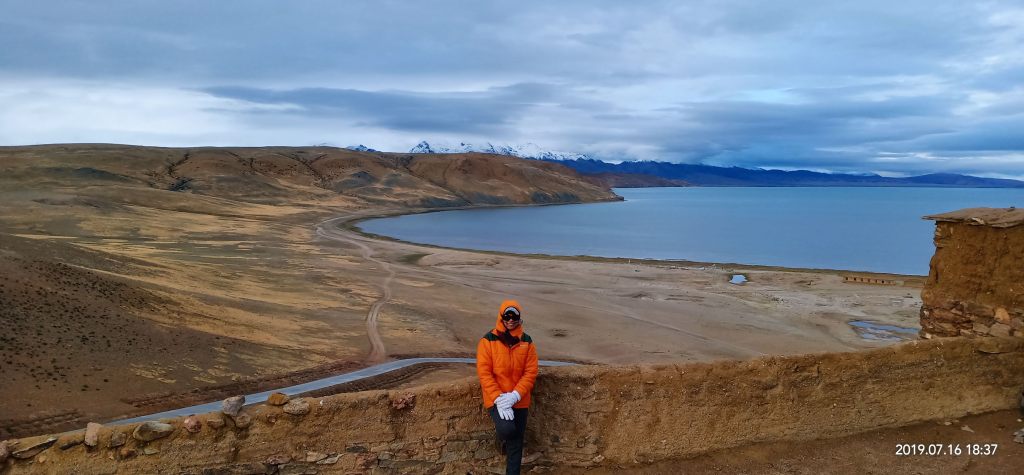
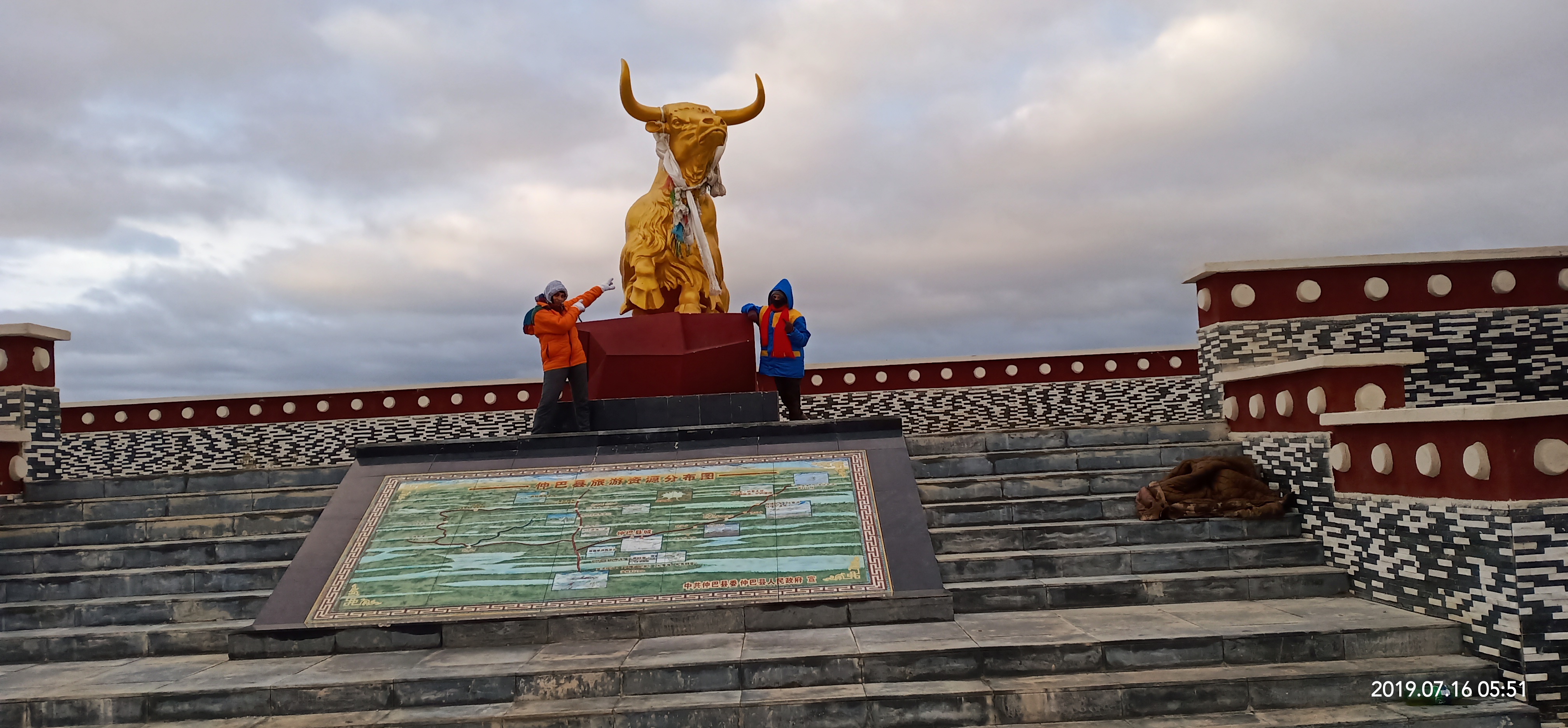
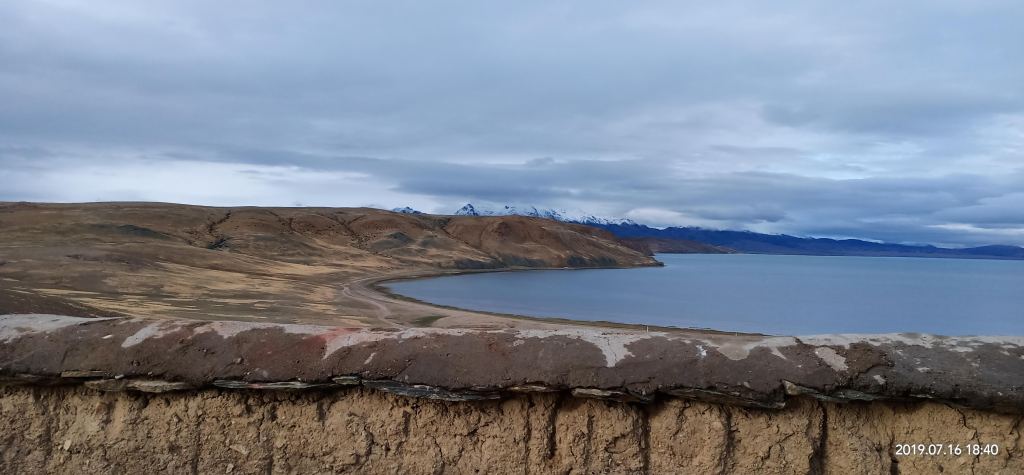
Mansarovar from the Monastry

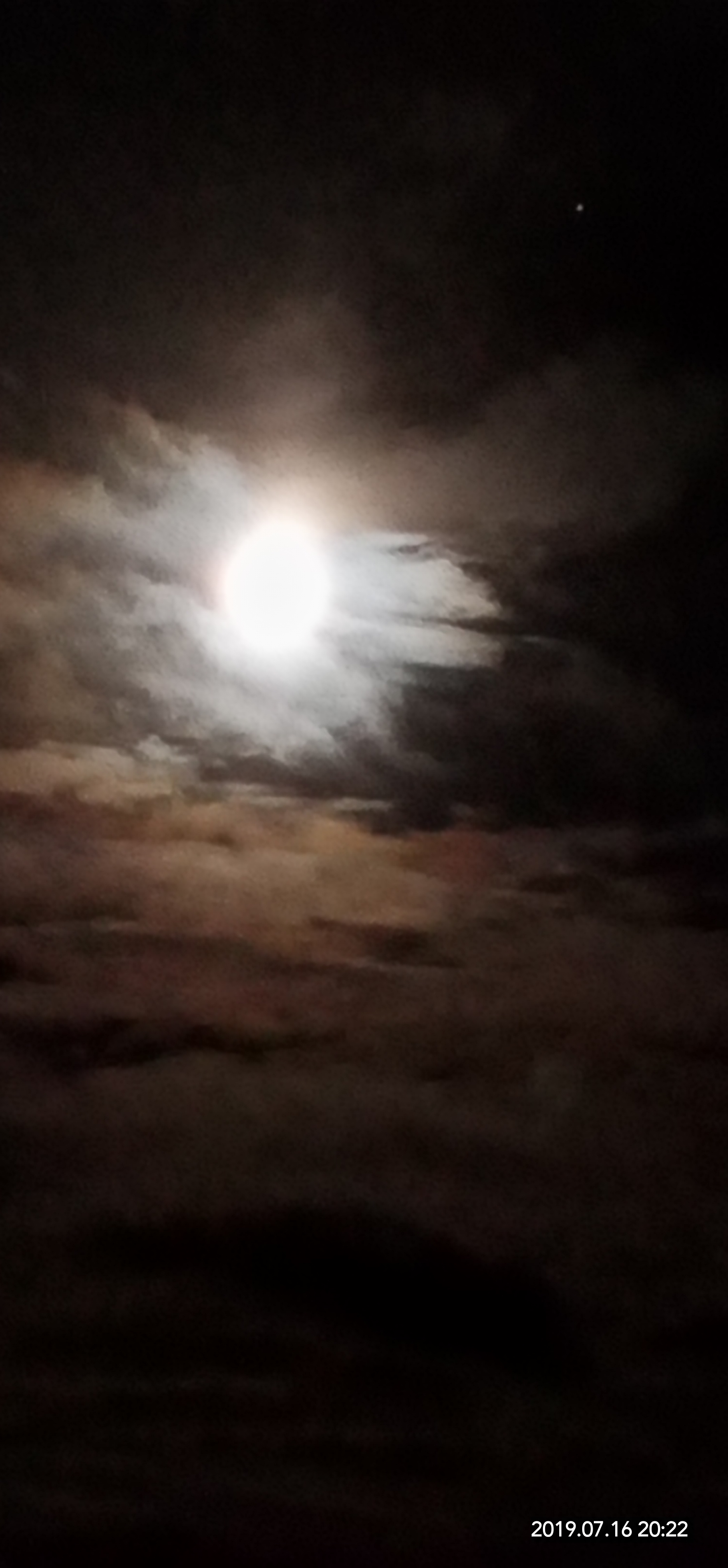
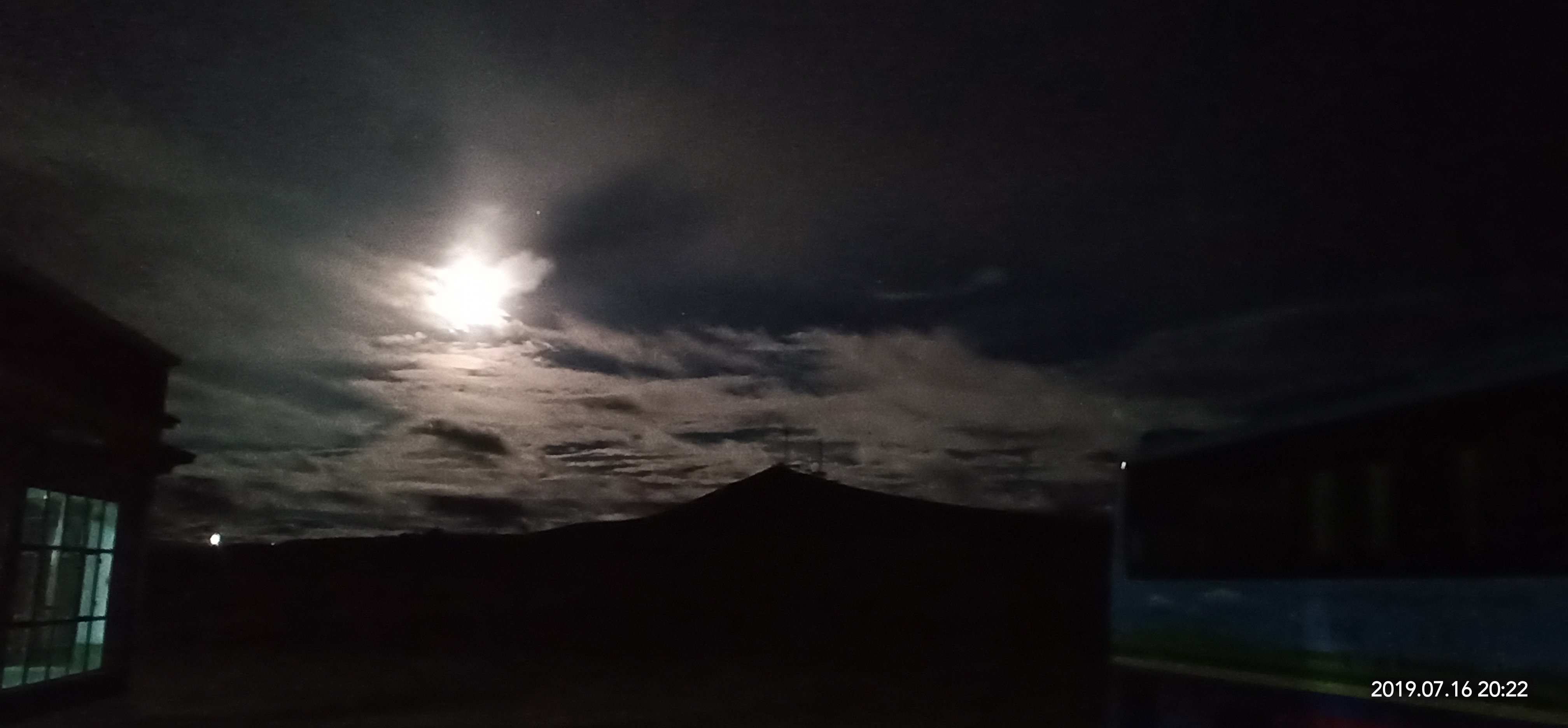
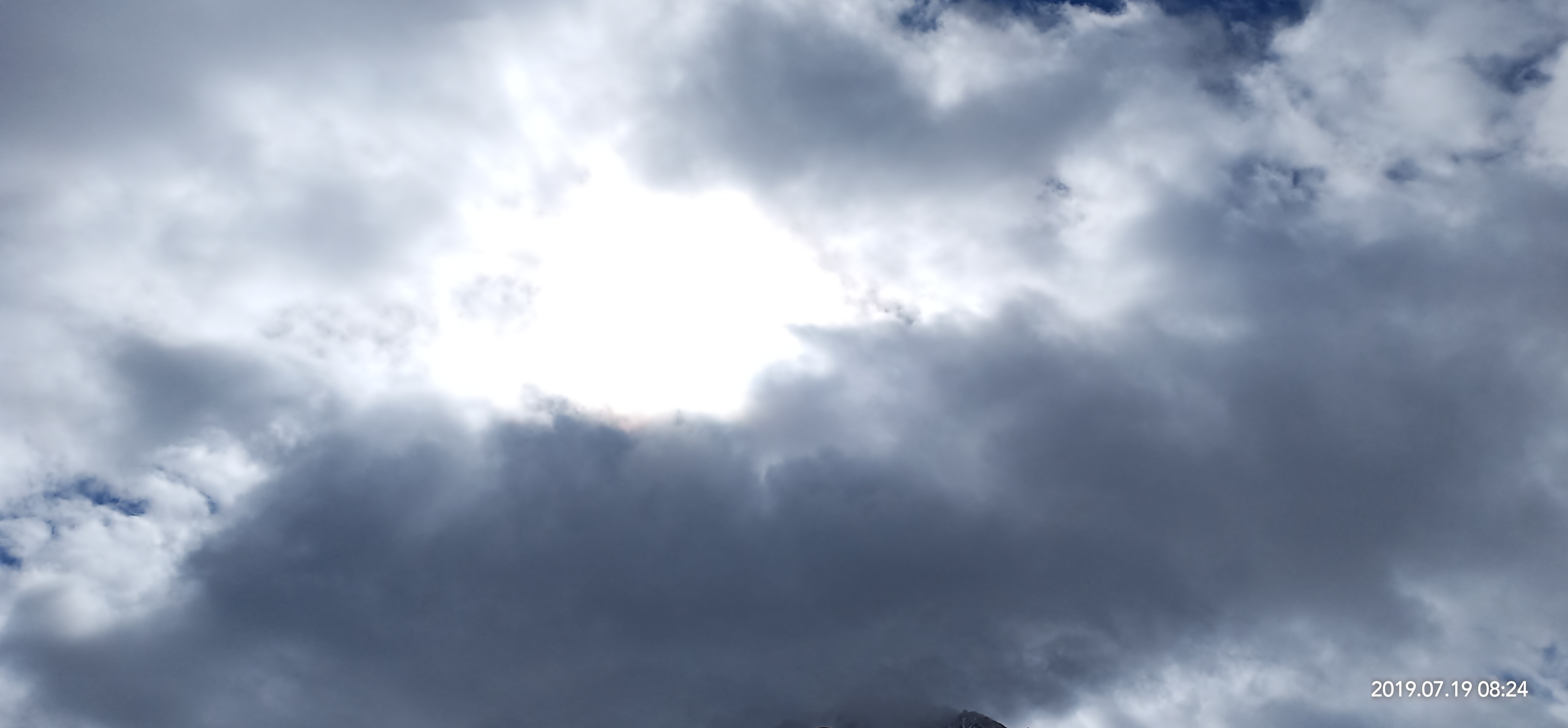
It was Gurupurnima when we made it to Mansarovar. It was also the day for lunar eclipse, this wasn’t something that one gets to witness frequently. Moon was playing hide and seek in the cludy night. Our eager eyes were trying to catch a glimpse but like a showman he was waiting for the curtains to lift and the wait was about to get over

Not knowing if the thick blanket of clouds will lift, we got busy with settling in the rooms and suddenly one of us noticed that the clouds are moving and there it stood right infront of us in its full glory with no veils and no curtains. The hearts reached out to touch it, the body stood still in admiration. There he was looking at us and asking to play along as he puts on the mystical slideshow. Soon we were playing the game where we were seeing the cloud patterns around the moon and guessing what it is. We could see all kinds of shapes, starting with Shivalinga, followed by Turtle, a Garund, a Devi figure on moon, Nag and the list went on and on. While some of us were trying to capture it on camera, the others were playing along and almost all the times, we were answering in unison. Isn’t that amazing. What a show to welcome us on the land of Shiva. Our minds (manas) was one with Shiva and we could virtually see him everywhere. The thick blanket came again and that was almost end of day 1 in Mansarovar.
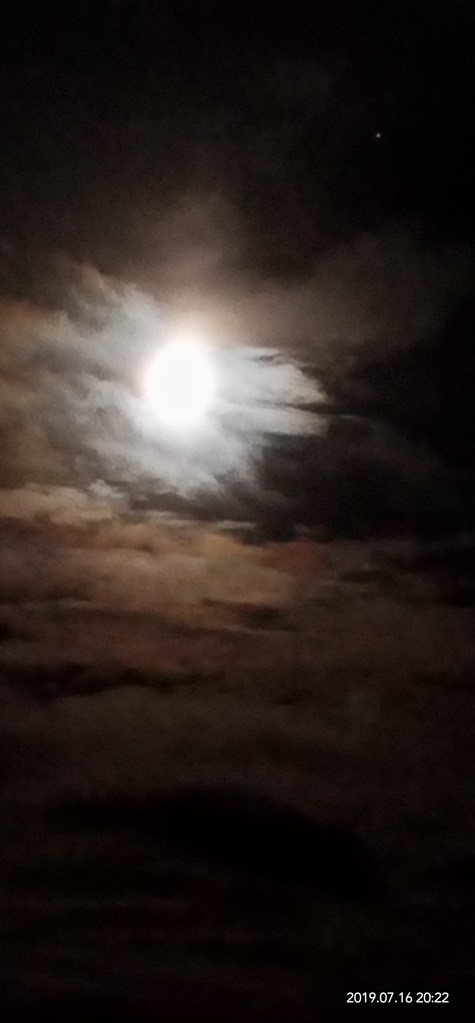
Moon- what can you see?

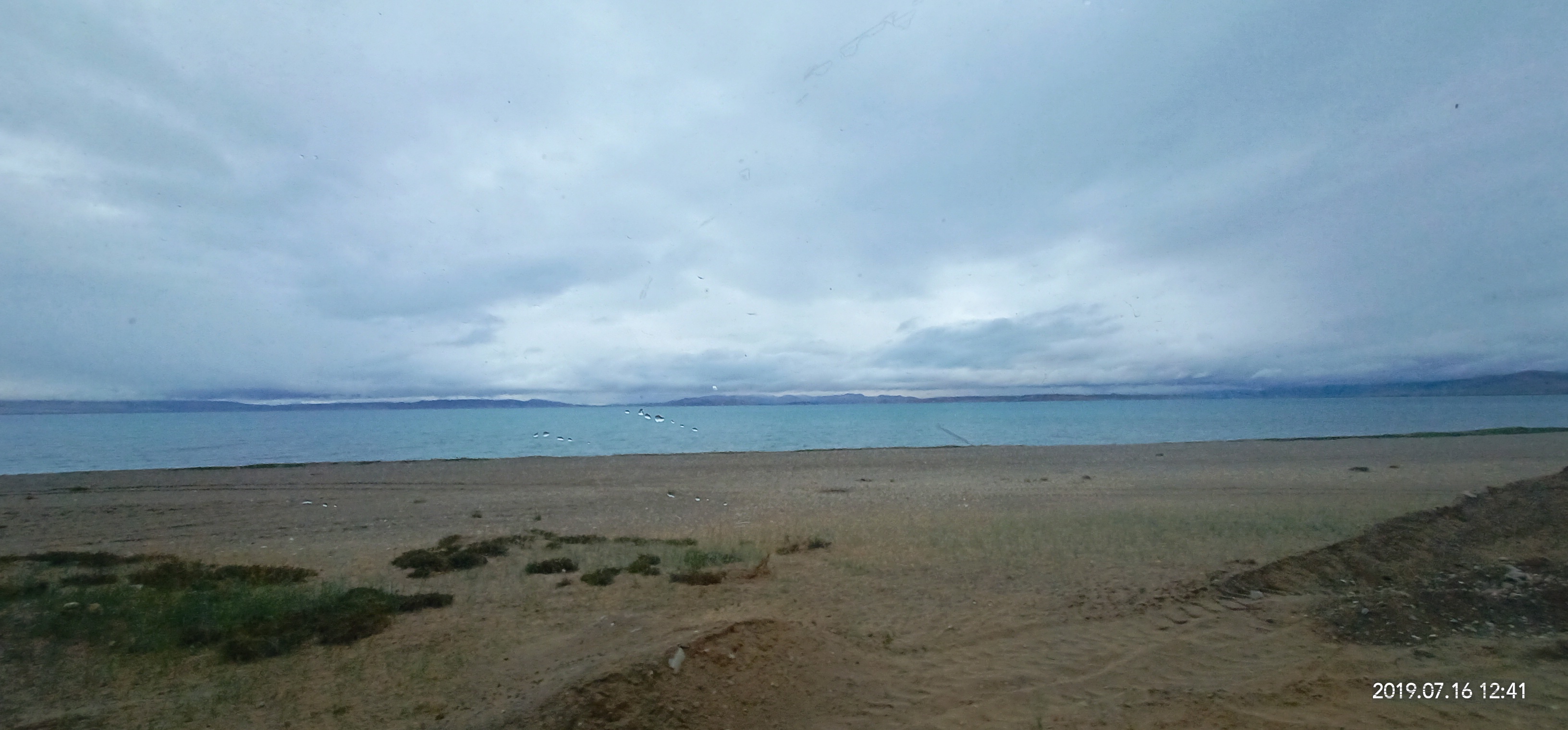
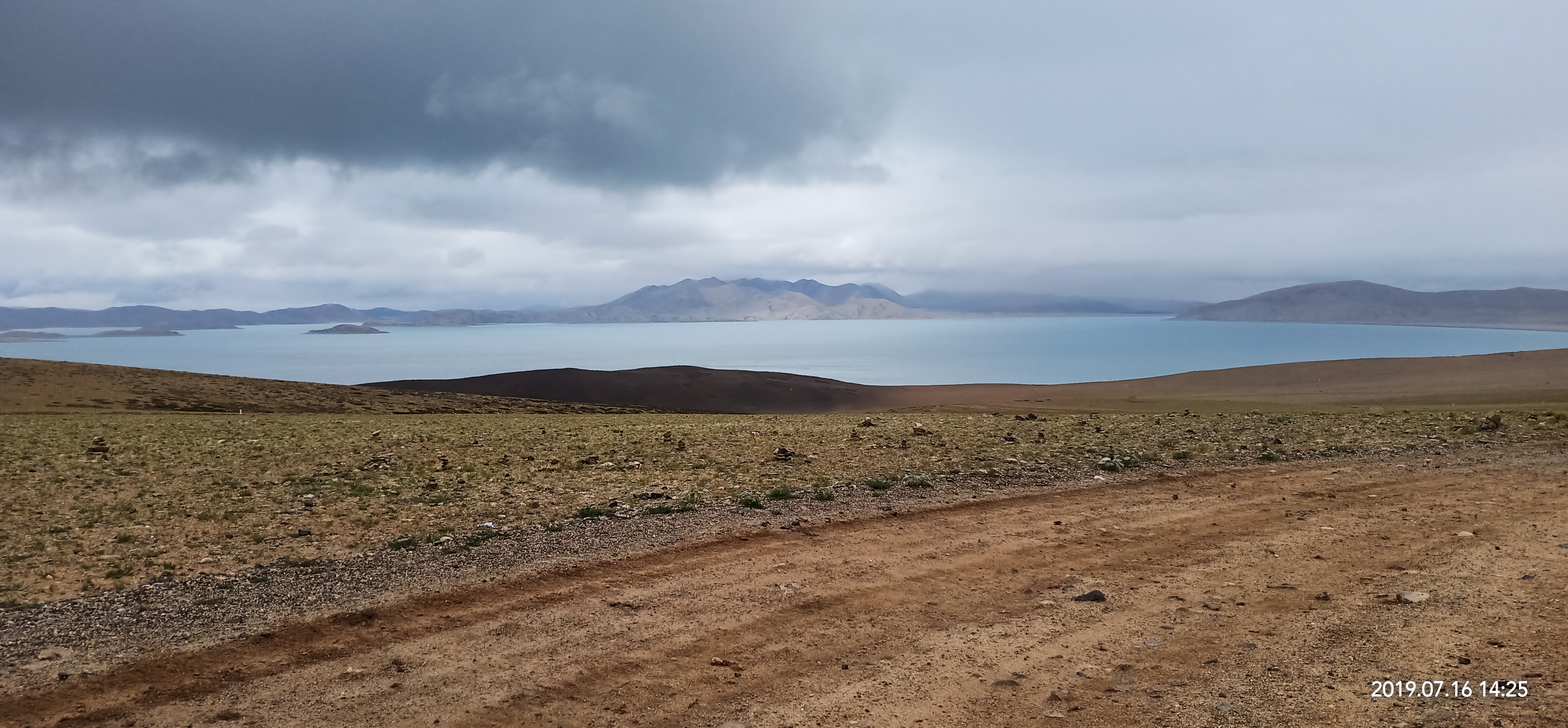
Sitting by the log burner in the lounge I was recollecting the day. We left New Dongba early at 6 am towards Mansarovar. We stopped over to a place next to Mansarovar for the lunch and that was the first view of the alluring lake. Very captivating yet very serene. If the day is clear we can see Kailash for here but it was overcasted, I stood with Sureshji to look hard in the direction, we could make out something but it was not very clear. Earlier Sureshji mentioned that the first sight of Kailash feels like homecoming and the emotions get overwhelming but sadly we didn’t feel anything yet. We were so wrong as what happened through that day left us speechless.
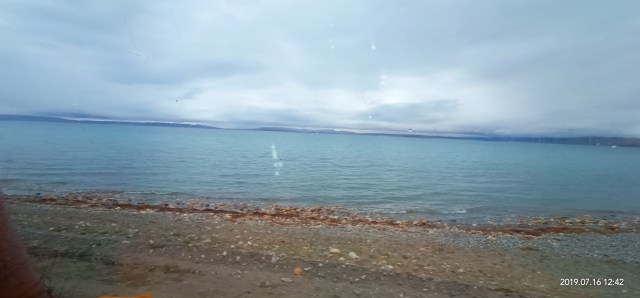
Mansarovar’s approach

After lunch the journey started towards Mansarovar along the narrow cobbled path. The closer we got to the lake, the emotions were running higher. The sunglasses came on to hide what was going on in the heart and mind then. Tears roll down and the thoughts were screaming, I was trying hard to keep composure. A lot like Mansarovar itself, calm on the surface but the waves were telling a different story. The heart kept jumping to the throat, it does feel like homecoming. The heart yearned to meet the father Shiva and asked to show the sign and very soon I could see life around the lake, a lot of birds like ducks, sparrows are seen in couple chirping playfully and thriving on the bank of the lake. What a sight, the mind associate the view with Shiva and Parvati. It is said that Shiva and Parvati come together on Purnima and indeed we could see prakriti celebrating the union.

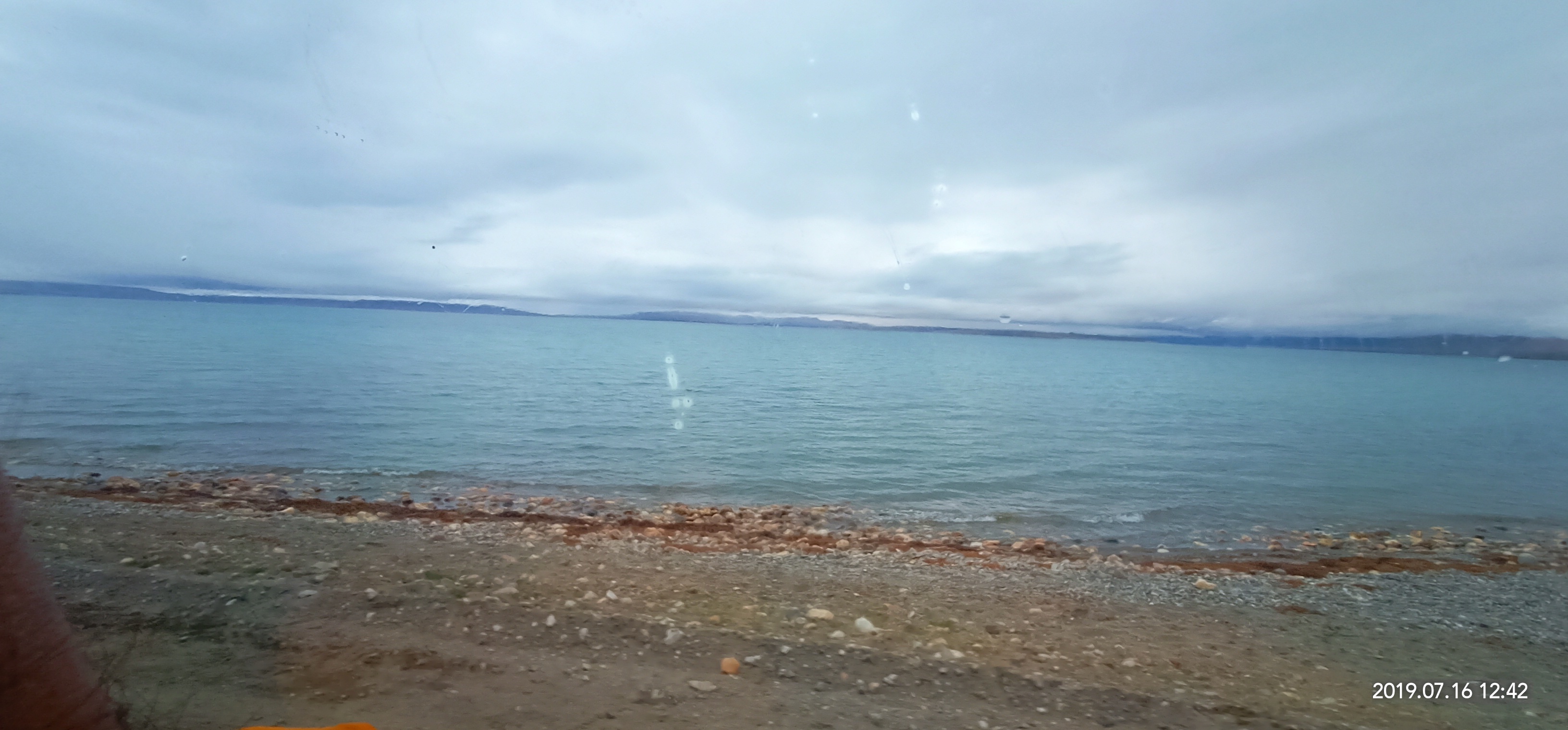
We briefly stopped to collect water from the sarovar. The first sparsh was cold and soothing. As soon as I touched the water, the emotions went calm. Its like mother’s hug and dad’s assurance. Anyway we were in Shiva’s territory and he will take care. We will get another oportunity to collect the water after bathing tomorrow but water where we stopped today is clear and clean fit to be carried back home. Stones too are abundant here so we did pick up few for self and for the kins.
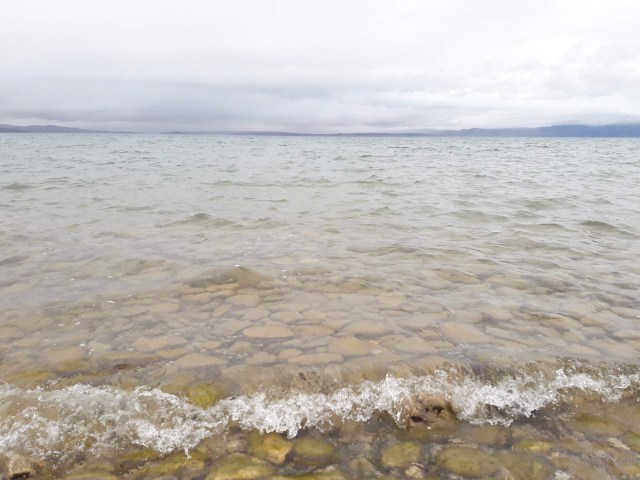
Mansarovar’s clear water on the shore

The parikrama around Mansarovar continued on the bus. The thoughts were a lot composed now and the heart was at peace. We stopped briefly at Rakshastaal. The crescent shaped lake is very different to sun shaped Mansarovar. The two lakes reside side by side but Rakshastaal is salty and its water is not fit for consumption or bathing, whereas Mansarovar has sweet water and is almost medicinal. Strange that such anomalies exist naturally.

Isn’t this a reminder of Yin and Yan, a reminder that good and evil exist in the same world and so closely together that they compliment each other. Wonder if Rakshastaal takes all the poison from Mansarovar and preserves its sanity and purity while sacrificing itself. I started to wonder if Rakshastaal has forsaken its Ahem to preserve Shiva. Is there a message to filter out the negative thoughts to get closer to Shiva? It may very well be.
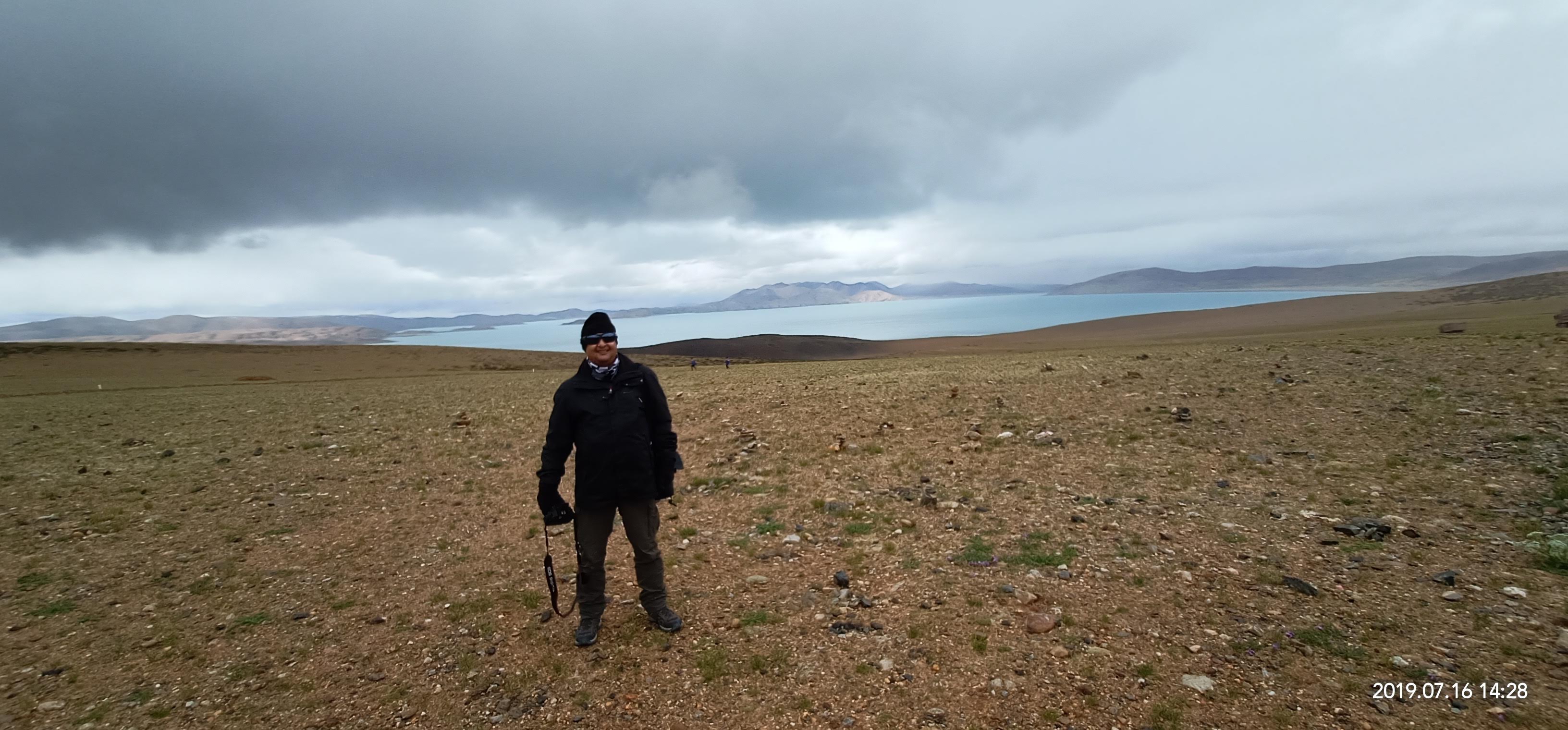
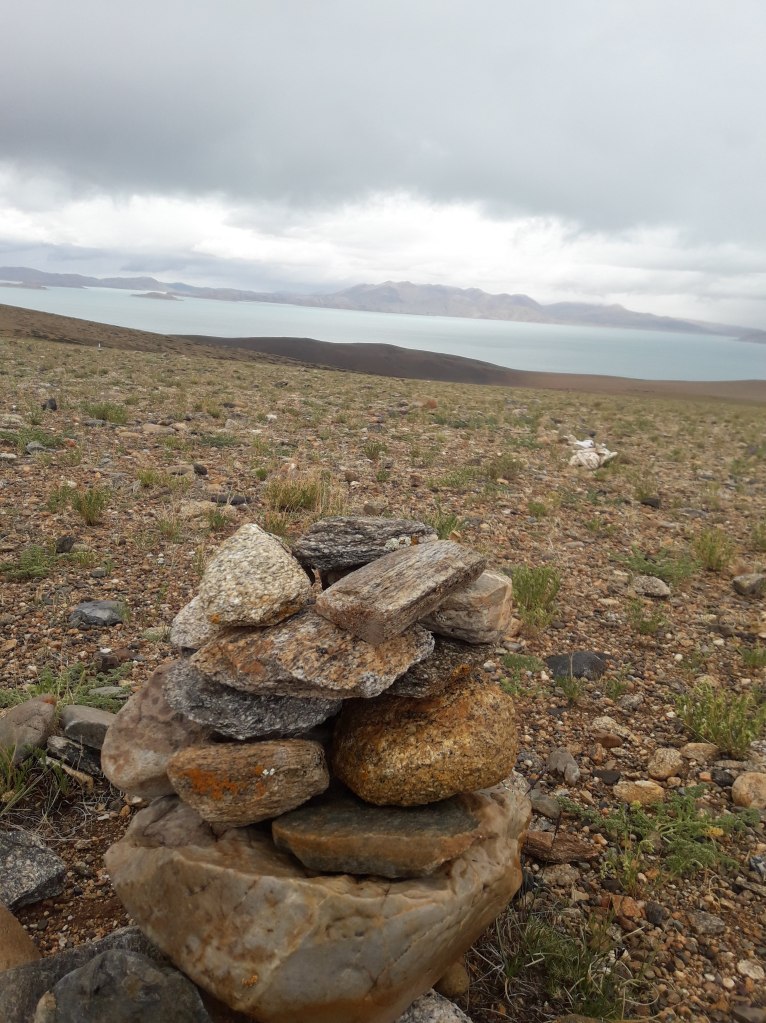
Rakshastaal ka keeper ( not literally)
Rakshastaal ka pathar

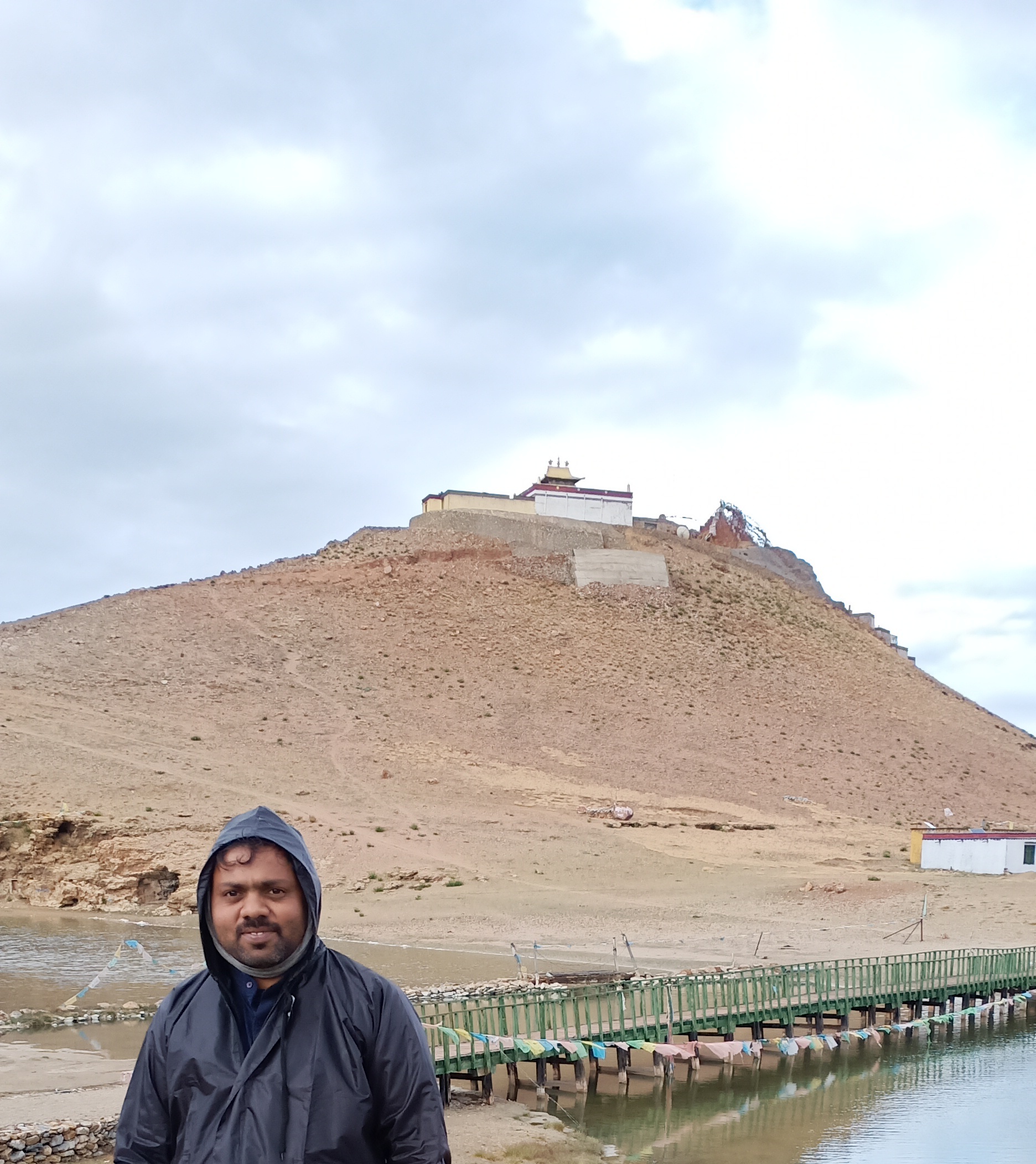
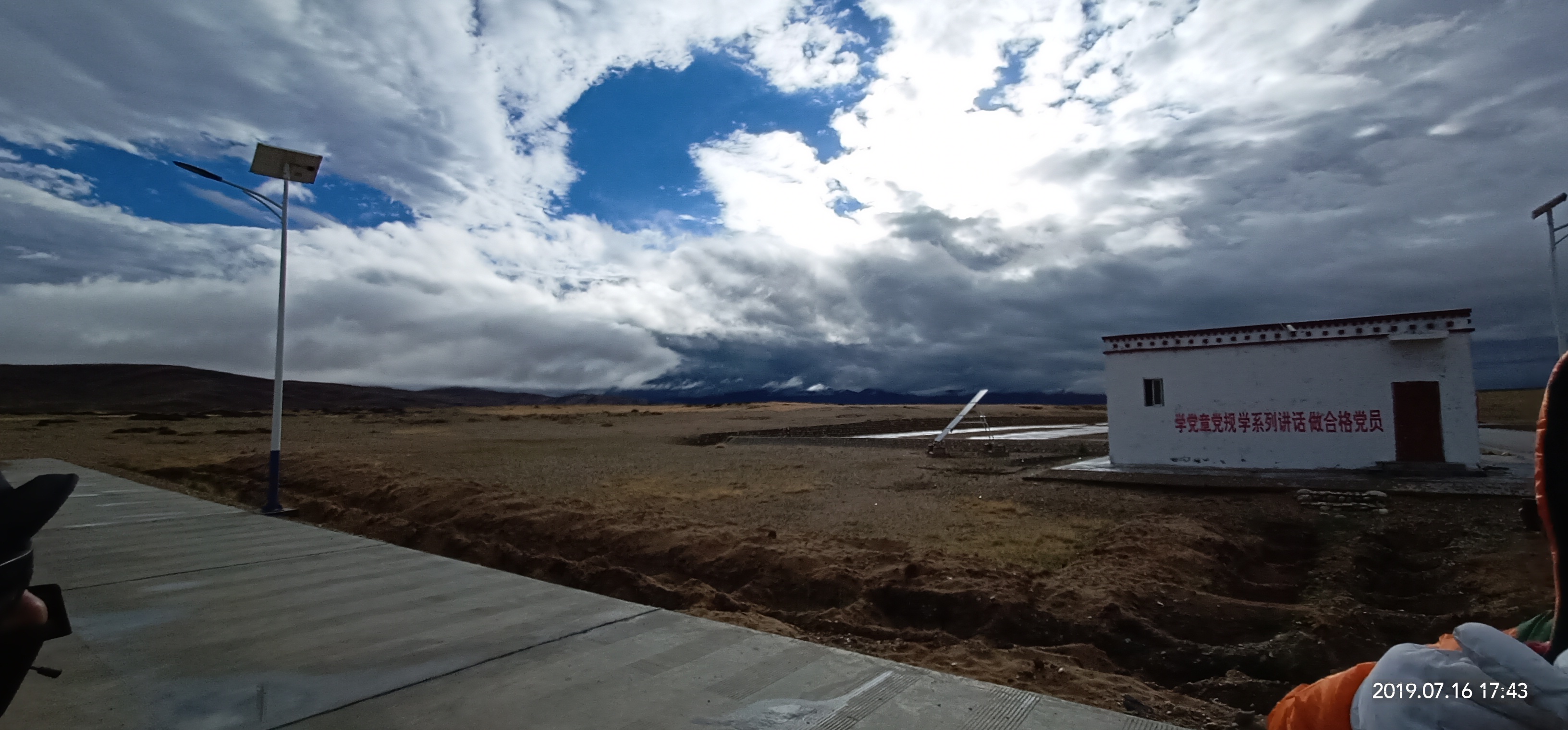
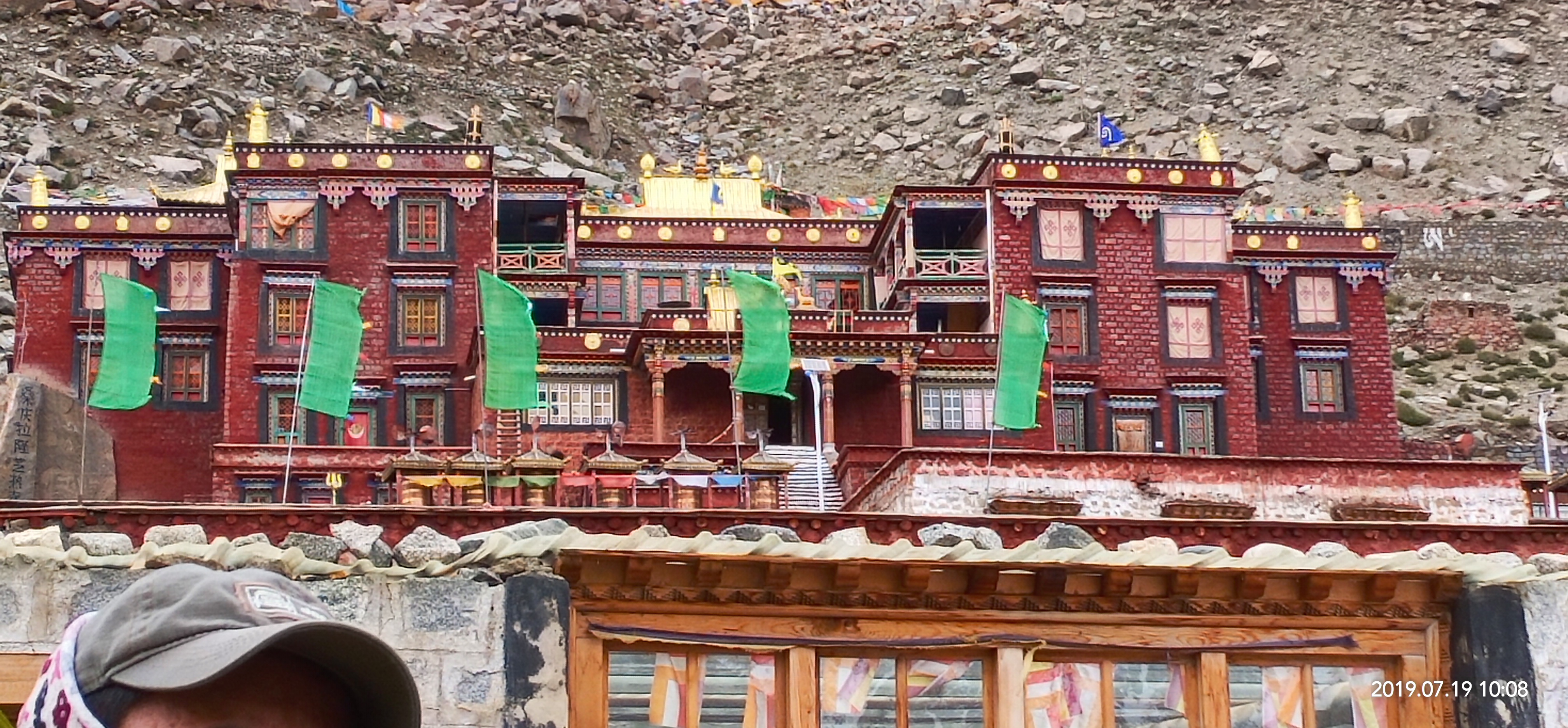
Early evening we reached our overnight abode. It was 10 minute walk away from the Mansarovar and had a hot water spring. That evening was young and overcast, we came out for a short walk and the heart yearned again to see Kailash. We asked the villagers, the direction they pointed towards, we couldn’t see anything for as long as we could see, let alone any mountain. Soon we spotted a monastery on top of a hill nearby and that looked like the ideal hill to hike to. Atleast from the top we can see all around. The idea was crazy as it started raining, the clouds were thick too but when the heart calls, there is no stopping.

The 3 of us kept walking, enjoying the hike that is driven by one desire but interrupted by photo moments (isn’t life distracting!!) . As we reached near the top of the hill, we could see that the top of monastery had 3 pyramid like structure, the one in the middle was bigger and taller that the 2 on the side. We said in unison, that it looks like Kailash. We decided to climb higher to where those pyramids were as we were sure that the structure on the top of the monastery replicates and face Kailash and projects its energy on Mansarovar and towards the village beyond it.

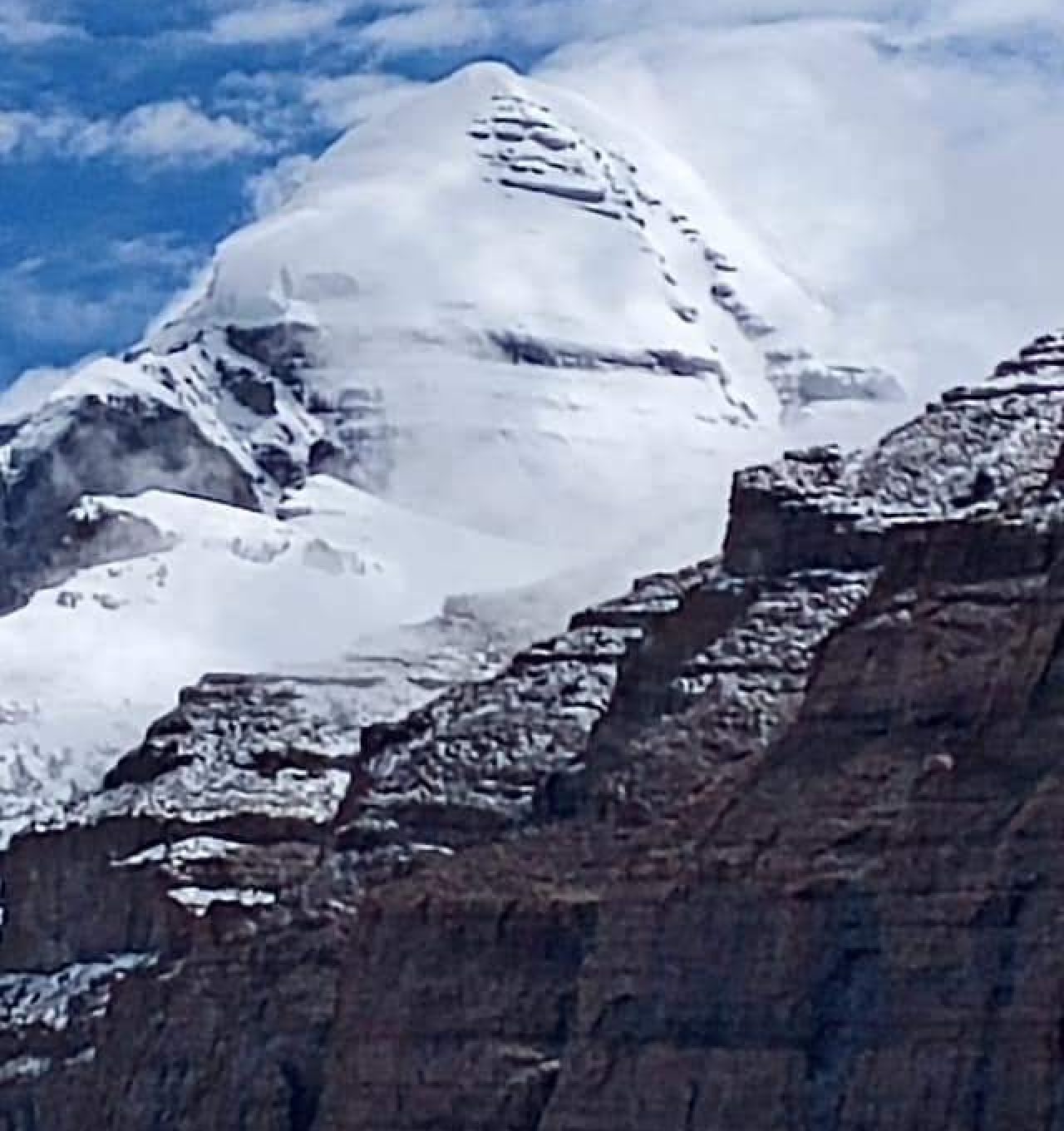
The panoramic view of Mansarovar was just too beautiful. None of us knew where to look and how to make out Kailash from amongst several peaks we could see all around while on the top. Suddenly our Gaze got focused on one peak as if it was calling out loud. I could feel tears rolling down the cheeks and the heart cried, this is Shiva’s abode. Luckily as we reached the top, the clouds lifted and we had clear view of Kailash infront of us.

We meditated for sometime facing Kailash and seeked his blessings, Afterall we were at Shiva’s place and it felt natural to come up and offer out first prayers to him. As soon as we started walking downhill, the clouds came back on. Shiva releaved himself the the crazy 3 who were adamant to see him today. Surely he knew we were coming!! (the thought itself puts a smile on the face)
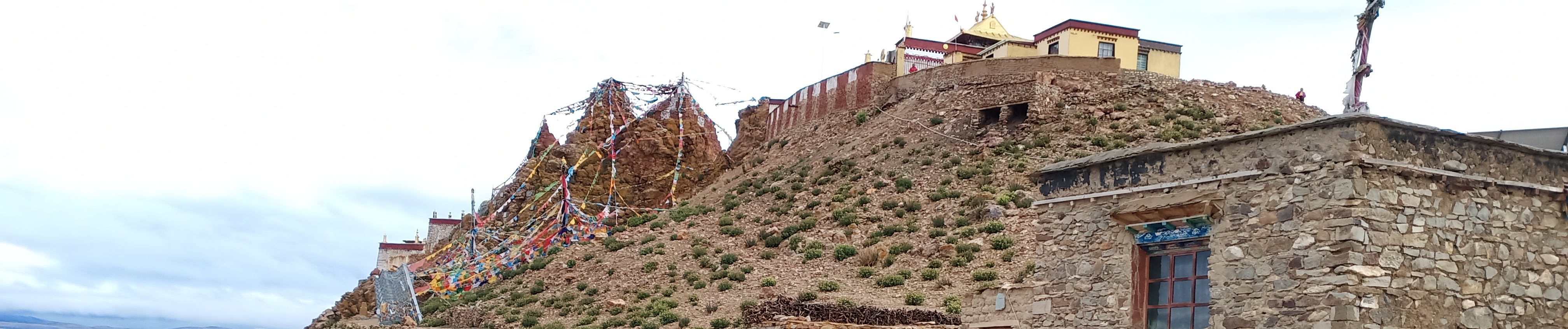
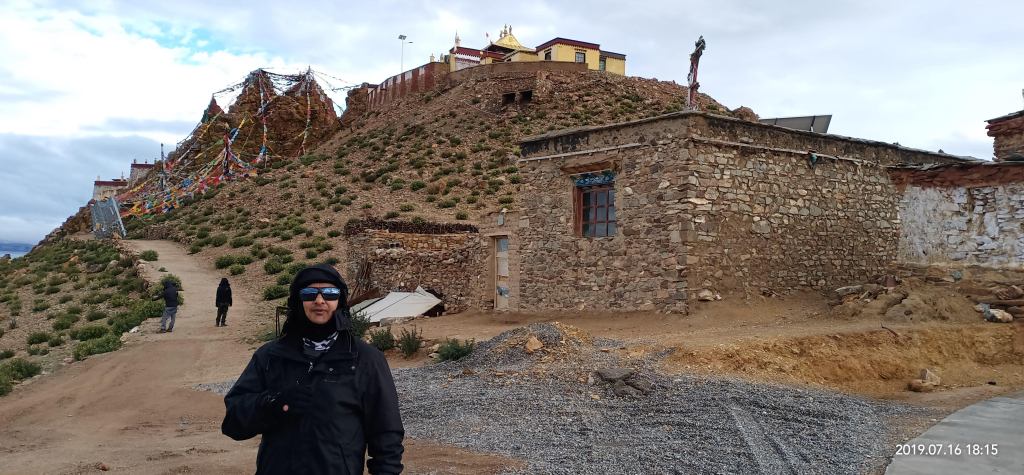
View of Pyamids with Montessori
Oh No, the keeper is following us!! Ignore him..the monastry with pyramid like structure at the top
View of Montessori
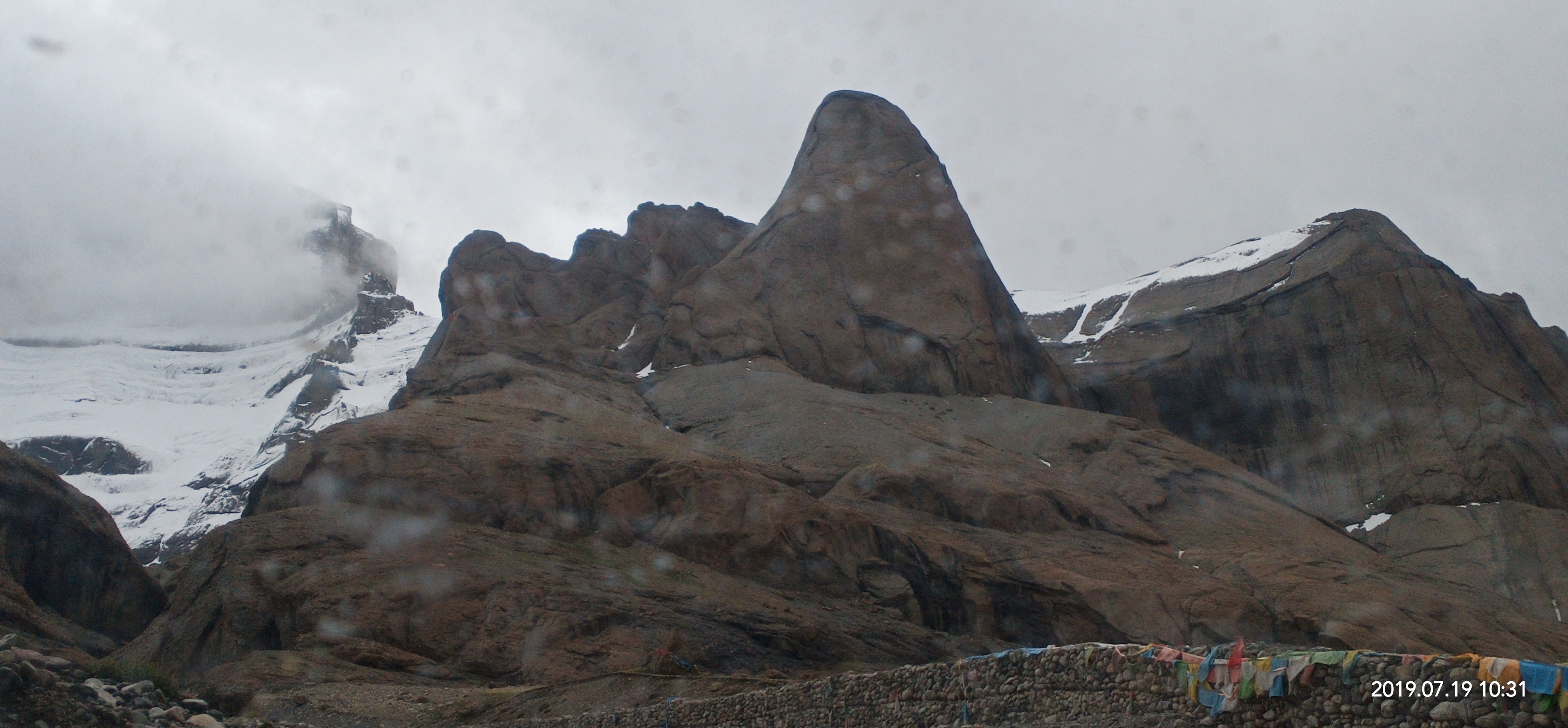
Kailash is behind us, check the Kailash mountain above actual Kailash. Shiva was sending clues when we were seeking. Truth seeks the seeker!!

That night we waited eagerly for the moon to come out afterall it was Poornima and lunar eclipse. The next morning we decided to walk to Mansarovar at 2:30 am to watch the stars come down and bathe in its holy water. That night I hardly slept, it was a freezing night and the burning desire to witness the Prakriti was far too overpowering. We dressed up appropriately and started towards Mansarovar. The rain was testing the desire and the clouds were mocking us. We kept going and sat patiently on the bank of Mansarovar, the cold ground and the cold rain made no difference.

What we witnessed in the next one hour is nothing less than the miracle. The cloud curtain had breaks and we could see falling stars above Mansarovar. the lights were dancing on the water and it wasn’t something I have ever seen before. Is this Shiva Ananda Tandav or is it stars dancing on the Mansarovar or is it Gods who descend to take holy dip. Whatever it was, it was magical. We came back around 5 am.

The search for Shiva, makes one to be Shiva, what else could explain the pain people take to see Prakrati, it is Tapasya. (Explained Spiritual significance in a different article ‘ Mansarovar’s Significance)

The next morning we left towards Mansarovar again to the spot where the arrangements were done for the Holy dip for us. After the dip, the heart felt pure and the mind got focused. the first thing I did was to call out all the ancestors and ask for their Moksha. These were the people that influenced my existence and their blood runs in mine. Spiritually I felt liberated. After Tarpan, we made arrangements for Maha Rudrabhishek of Lord Shiva.

There are no priests in Mansarovar, nor there are shops to buy the Puja samagri from. People from within the group came together and made all the arrangements. Satish took the role of Brahmin (not just by birth but also by his action here), Suresh ji and Satish also got puja and havan samagri. We all had fruits and dried fruits that made up for the prasadam. Manoj used his camping skills to light camphor for the havan ( it was very cold and windy, lack of oxygen means matches and camphor don’t light easily) everyone contributed.

It even rained for a while during havan and the group raised the raincovers made from raincoats to preserve the havan. The Rudrabhishek was the best puja I ever attended. Was it fulfilling because we all contributed, indeed community projects do tend to steer such feelings but it was beyond that, it was the oneness with Shiva that we all felt today that made it personal for each of us.
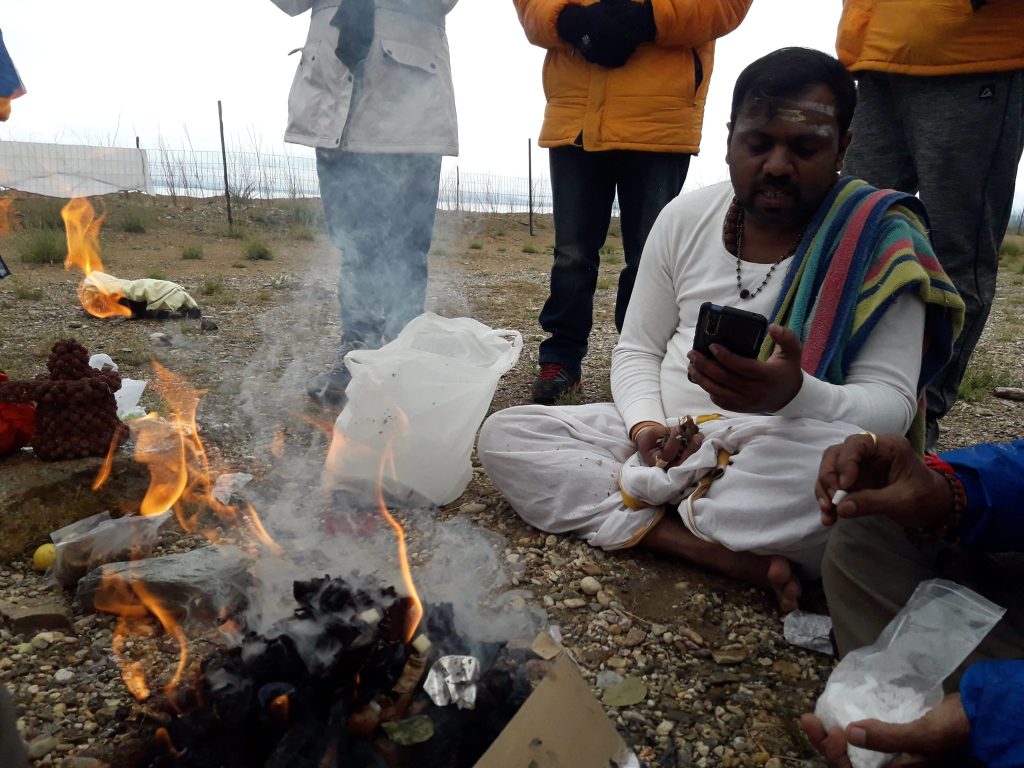
Gods descend when the hearts are pure

Mansarovar is one place which enables mind to see beyond the world we created out of our Aham, into the world that belong to Tapasvi Shiv. This is where the Manas (mind) expanse beyond itself to the realm of Shiva.  

||  ॐ नमः शिवाय ||
Featured

Journey Towards Self Realisation


Travel route from Kathmandu is a 14 days overland trip which includes to and fro journey from Kailash. Apart from Kora there is no walking requirement unless you decide to trek at each stop to acclimatize and practice walking on high altitude.

Day 1 in Kathmandu: This is the day when the group starts arriving in Kathmandu and we take a trip around the city. The Kailash journey starts with Pashupatinath temple and ends here as we offer the water collected from Mansarovar and Gauri Kund here after returning back.

This visit focuses the mind on Shiv and the desire to meet him in his homeland.

विभत्स हूँ… विभोर हूँ…मैं समाधी में ही चूर हूँ…*मैं शिव हूँ।* *मैं शिव हूँ।* *मैं शिव हूँ।*घनघोर अँधेरा ओढ़ के…मैं जन जीवन से दूर हूँ…श्मशान में हूँ नाचता…मैं मृत्यु का ग़ुरूर हूँ…*मैं शिव हूँ।* *मैं शिव हूँ।* *मैं शिव हूँ।*साम – दाम तुम्हीं रखो…मैं दंड में सम्पूर्ण हूँ…*मैं शिव हूँ।* *मैं शिव हूँ।* *मैं शिव हूँ।*

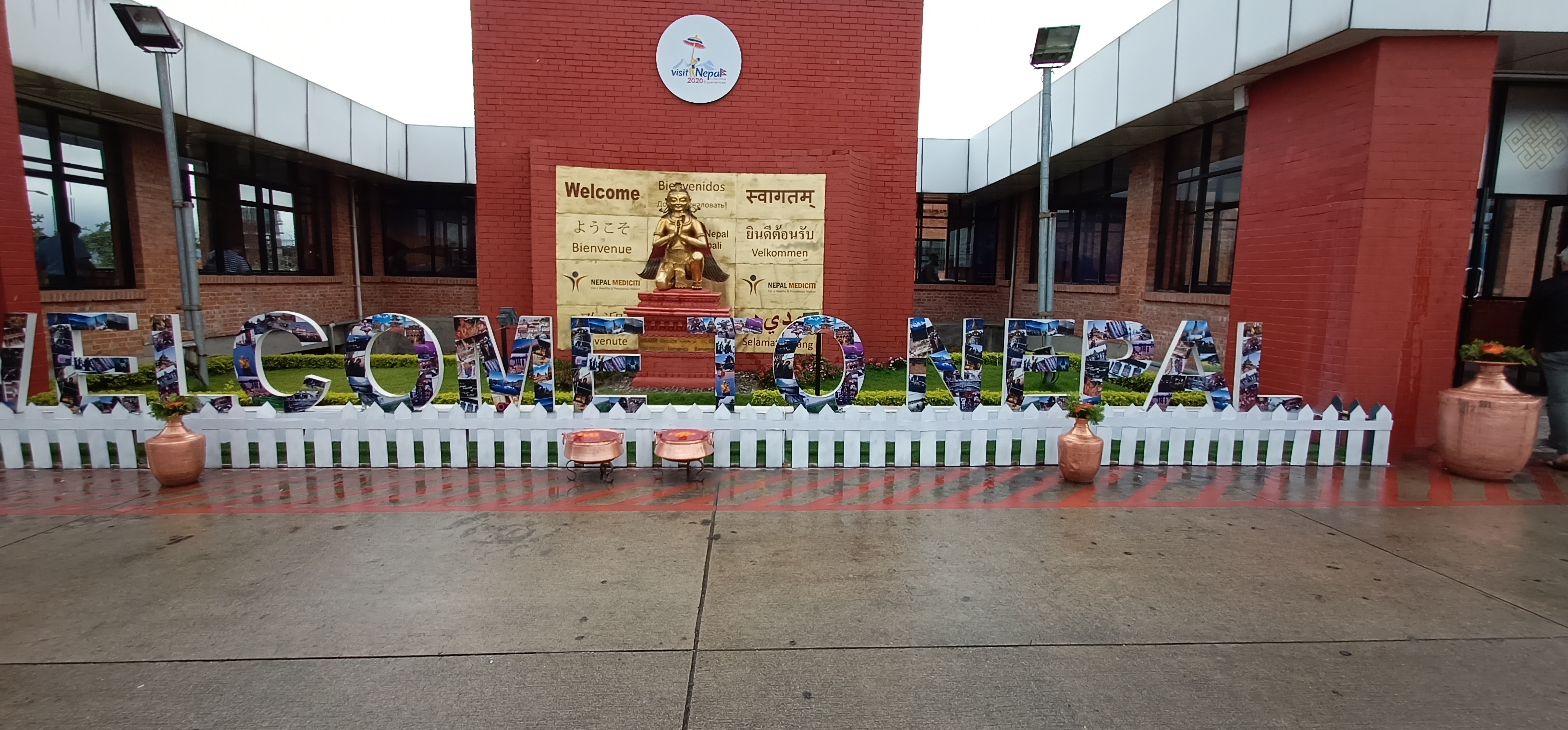
A Warm Welcom in the Airport

Day 2 in Kathmandu: This is when the group starts travelling together. We go around Kathmandu in a bus and see many local temples today. The group starts taking shape and you get to know and interact with them. This is the day to take things easy and go with the flow, the onwards journey to Tibet starts tomorrow so make the most of being in the town. Any last minute shopping has to be done today. Ensure to exchange Yuan. Buy Diamox if you plan to take it. Be mindful about yourself, breathing and the surroundings today as this will be the key to successful Yatra.

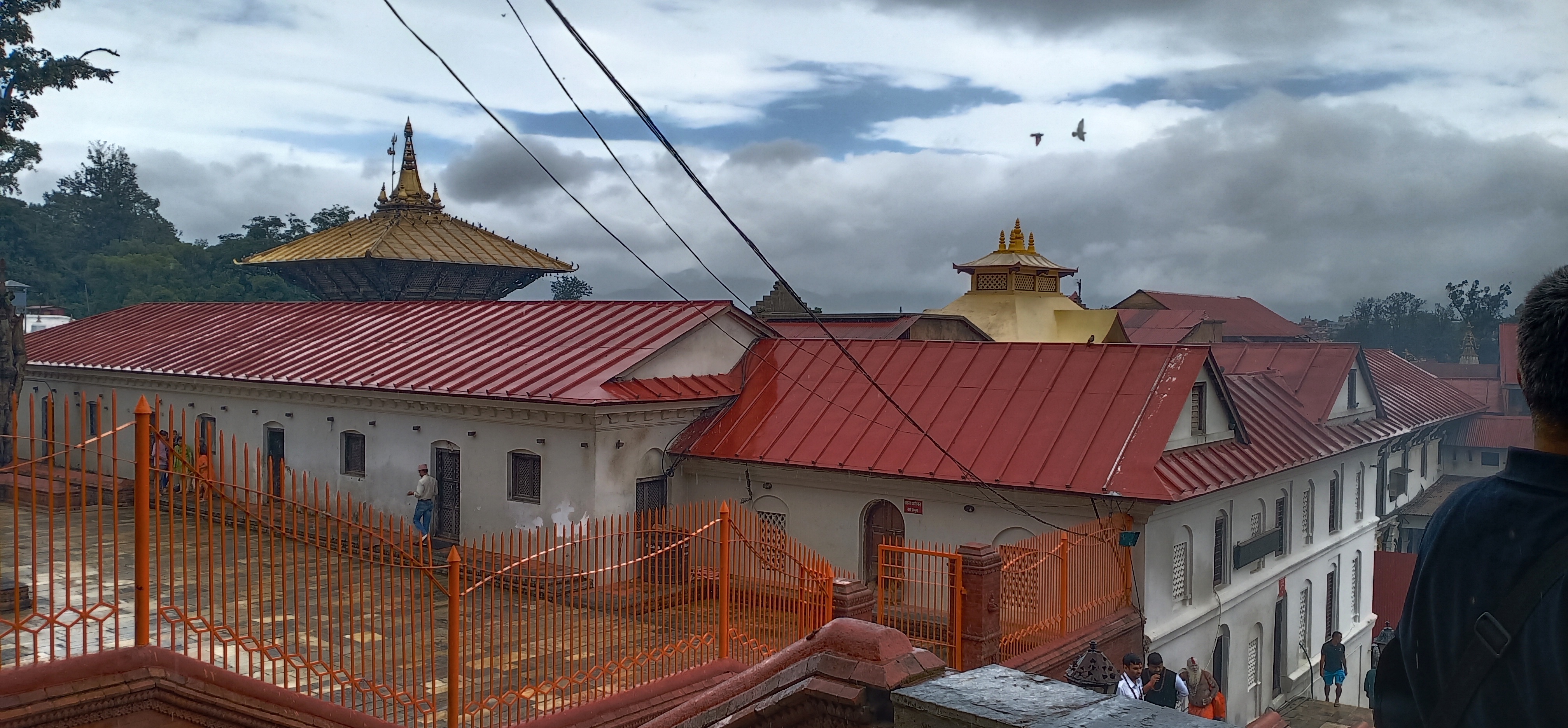
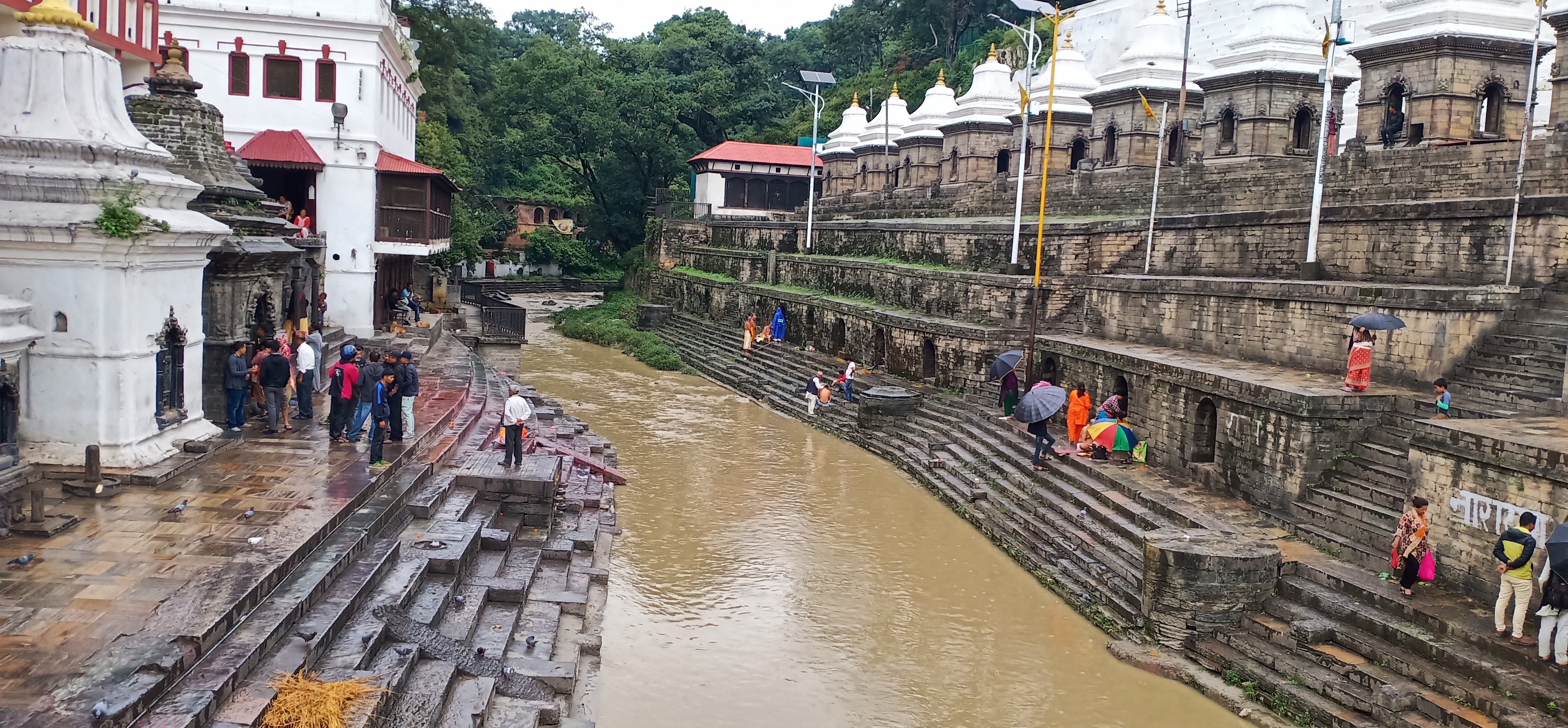
The view of Pasupathinadh Temple
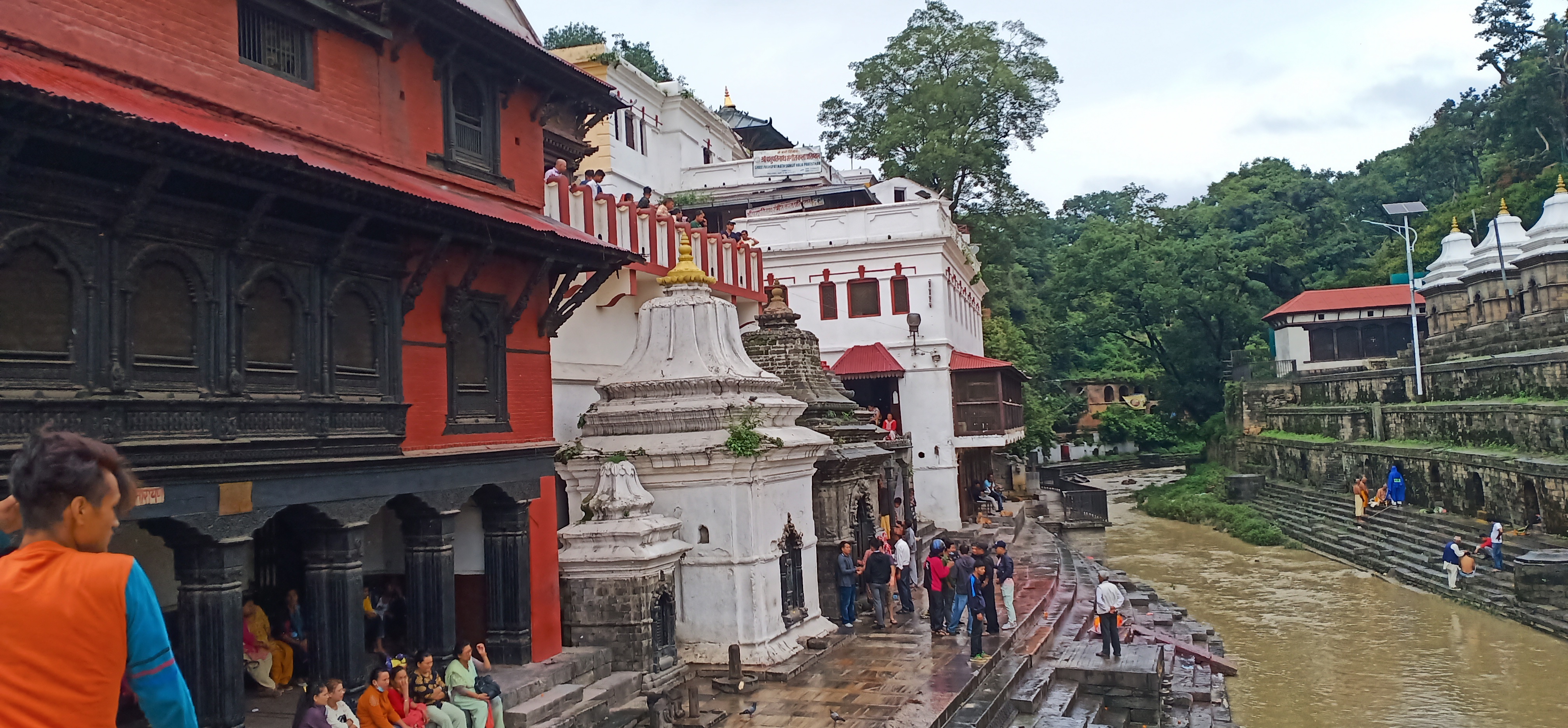
Ghats of Bagmati River behind Pasupathinadh Temple
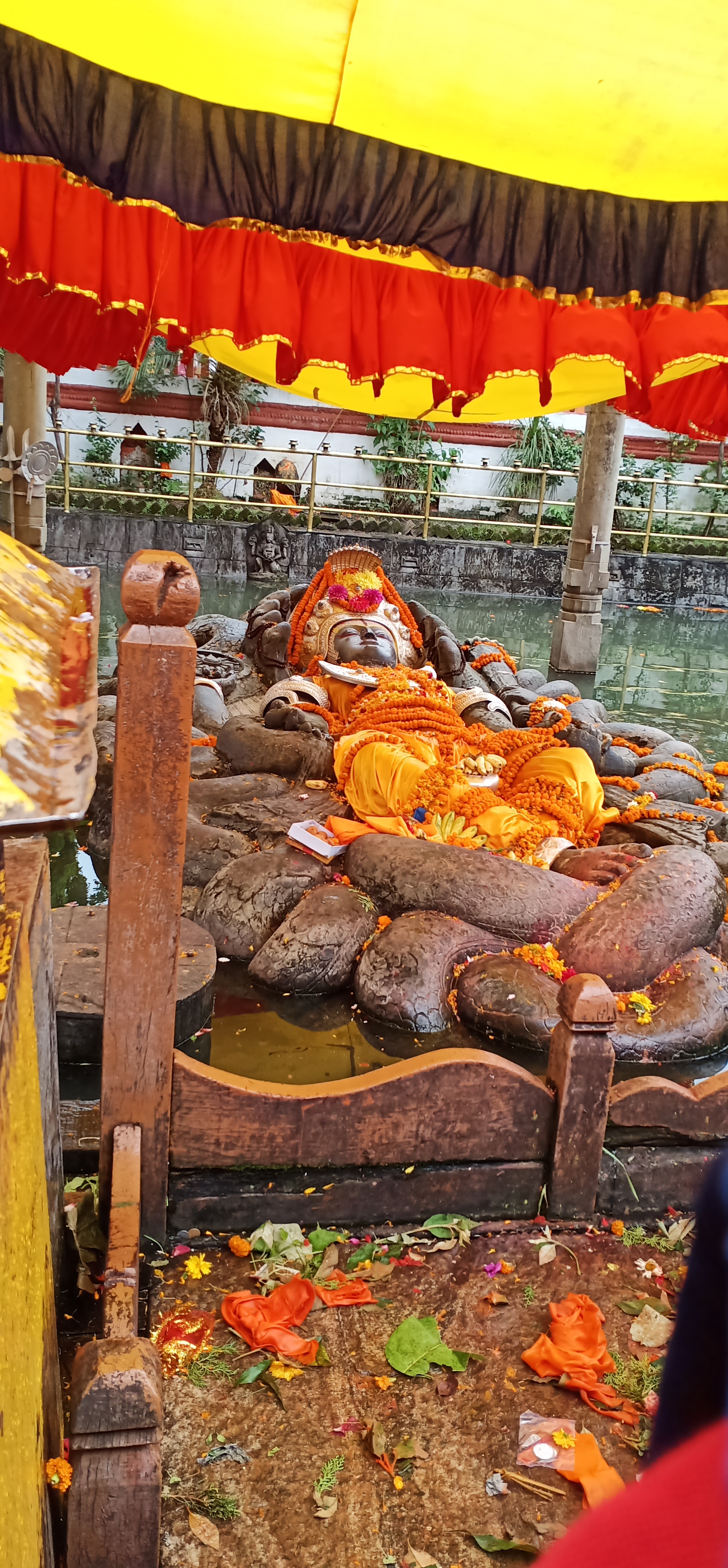
Jal Narayan Temple (Budhanilkantha_Temple)
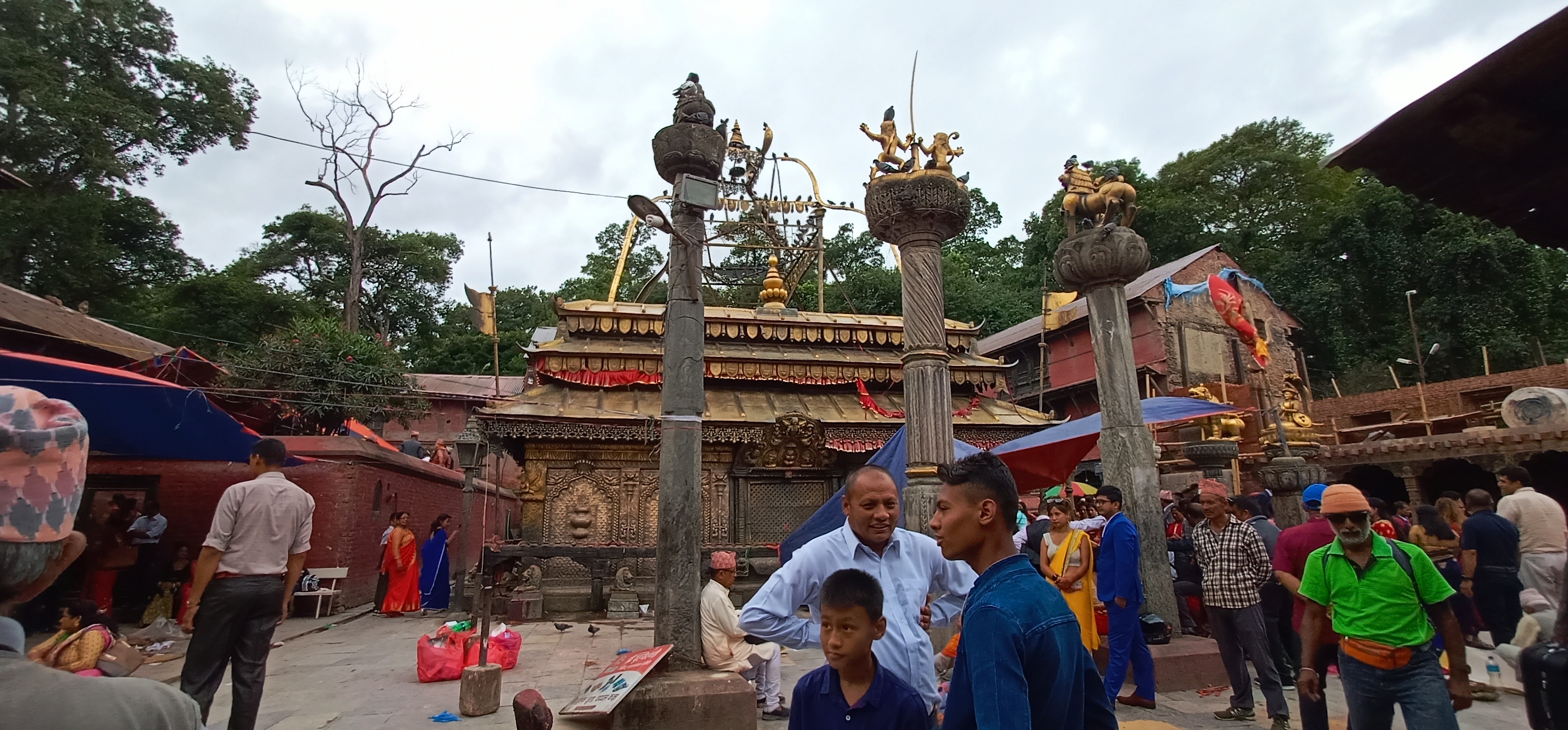
Guhyeshwari Temple https://en.wikipedia.org/wiki/Guhyeshwari_Temple

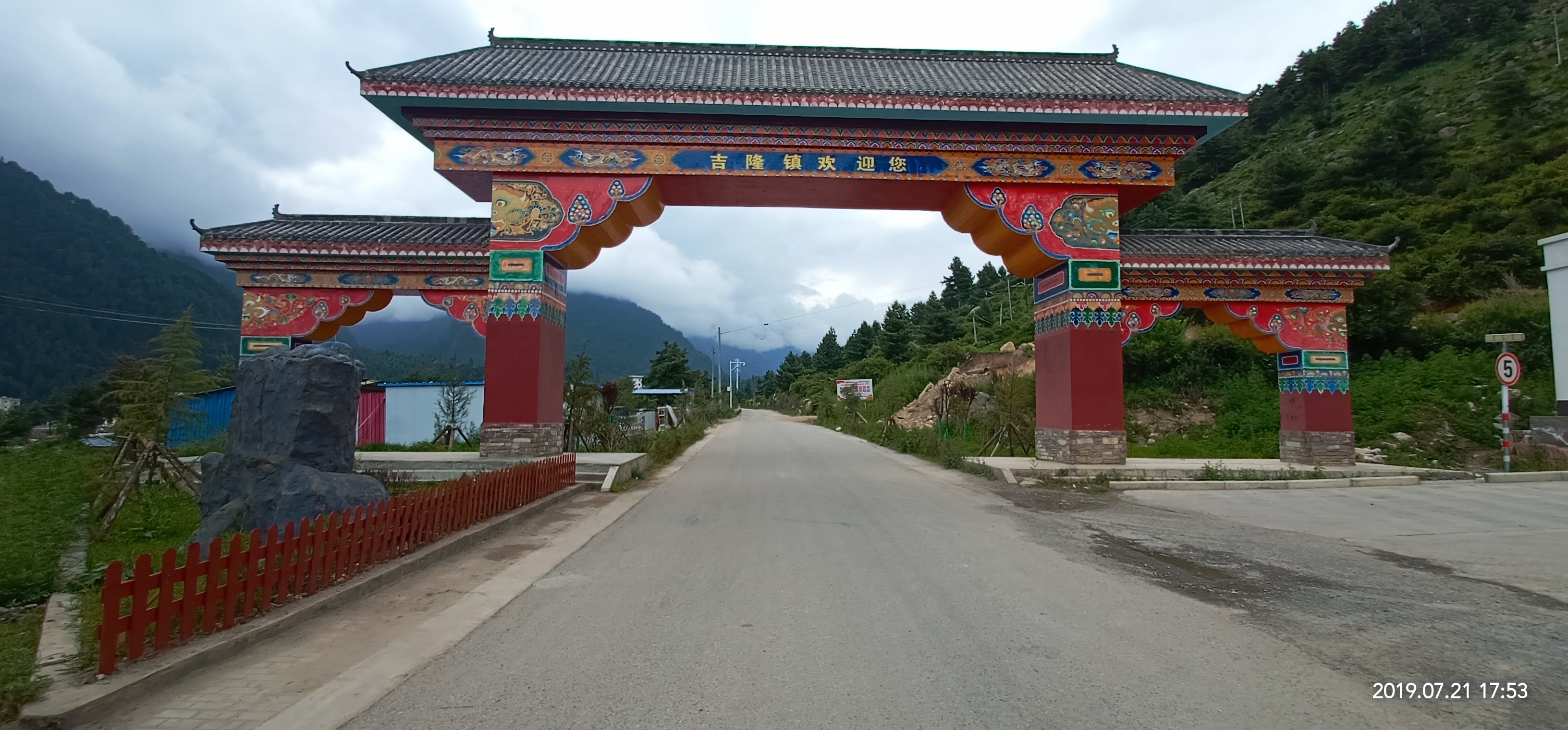
Day 3: Left Kathmandu towards China border with a overnight stay at Syapru Besi. The heavens opened up and it’s been raining cats n dogs. The journey started with the usual uproar of ‘Om Namah Shivay’ and the echo was saying that rain will not dampen the spirits today. The mountain roads on the Nepal side are not for the faint hearted, but nevertheless the views were breathtaking. Reached SyapruBesi a sleepish village 15 km from China border after 9 hrs of drive. Beautiful people n beautiful village. Internet is available in most of the hotels. Ensure to download VPN on mobile before crossing the China border otherwise internet will be very limited, whatsapp and FB are blocked in China. (Try using Touch VPN)

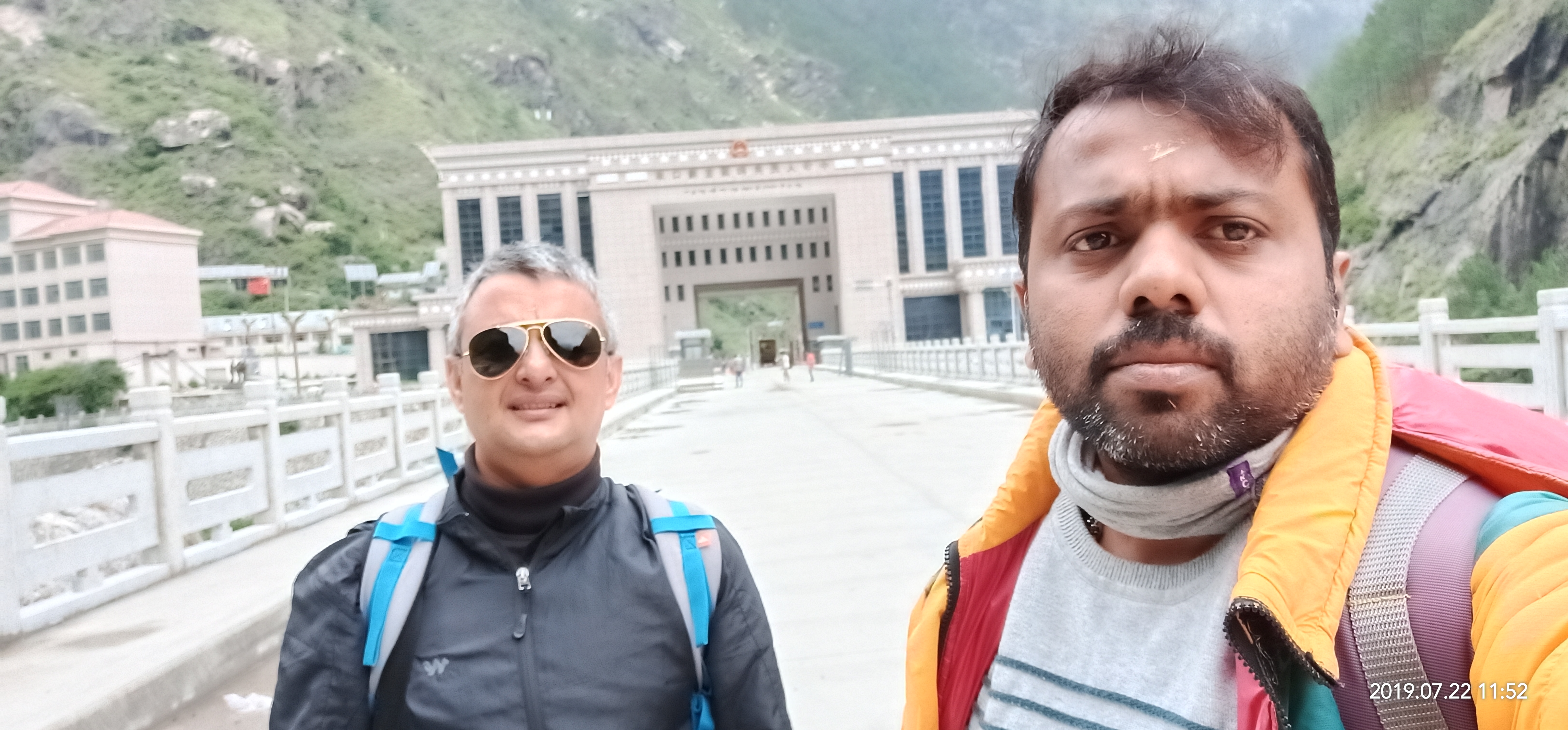
Day 4: Cleared border and entered China. The first thought that came in mind was that we are now a step closer to Kailash. Due to mess up at pre immigration, half of the group did not make it to the counter. They are clearing the border today. the bags too arrive late, so keep an extra set of clothes and some snacks handy in the backpack for today.
The infrastructure on China side is a lot better than Nepal but internet is limited, we cannot upload pics, videos or voice messages. Cant download songs, so must say pretty basic. 
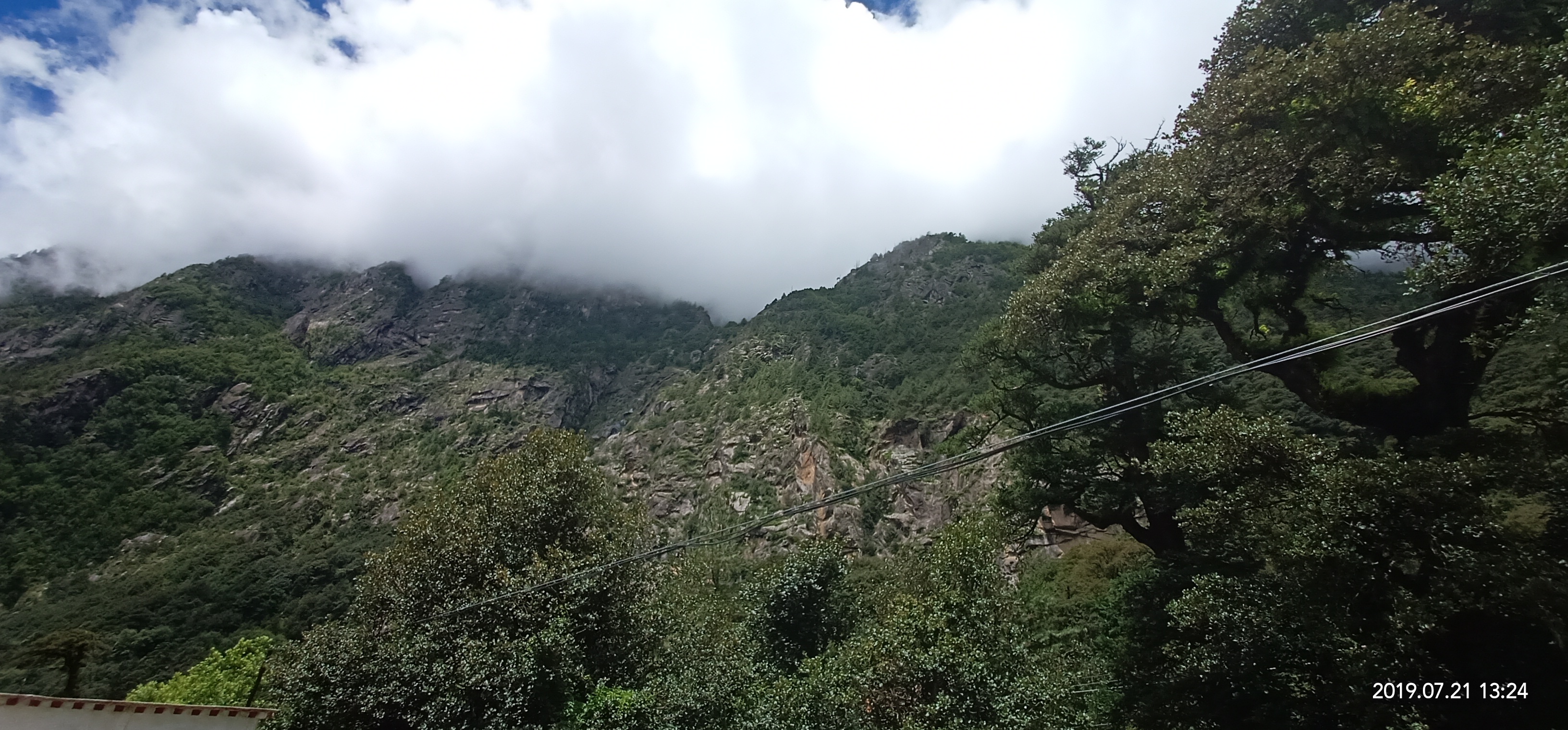
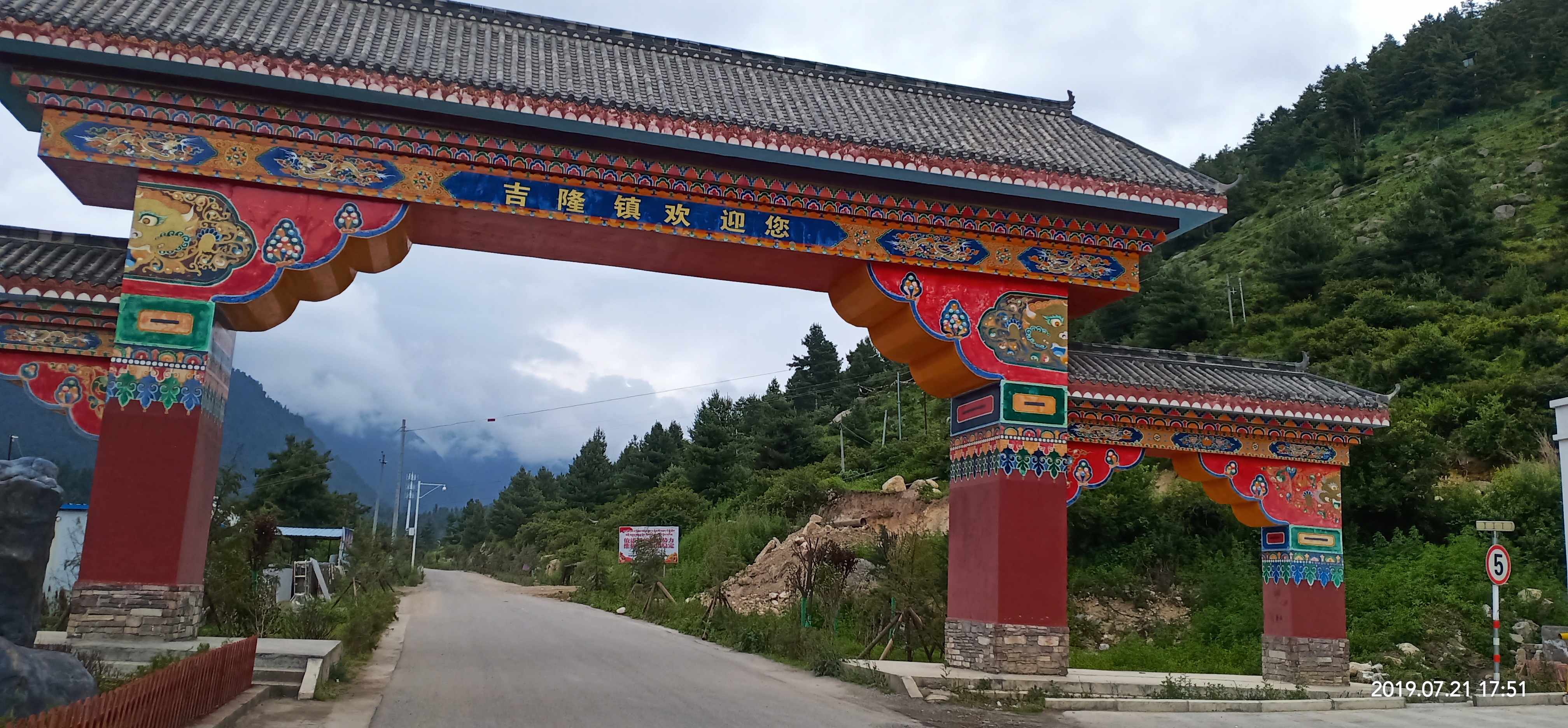
One hour drive from border took us to a small village Kerung. This town is setup just for tourists, surrounded by beautiful mountains at 3500 m above sea level. We will stay here for 2 days till the rest of the group joins us here. 
Day 2 at Kerung started with early breakfast and then a bunch of us trekked up the nearest mountain to as far as authorities allowed us. The view from the top was beautiful. A wild Yak showed up, our own Nandi darshan was the Prasad. Way back we walked down to the steam flowing alongside, down the wild path, then cooled off in its water. So peaceful and the overwhelming sound of the water is just calming. Nature’s own chime. Sat on the rock for meditation. Only to be woken up by a Nilkanth who sat nearby n started chirping. Divine. 

Day 5: The rest of the group joined us today. Finally they cleared the border and made it to Kerung. We had another hiking in the evening with the group. On the way back we found a procession of Tibetian women who danced and sang with us. Got plenty of hugs from them. Blessed.
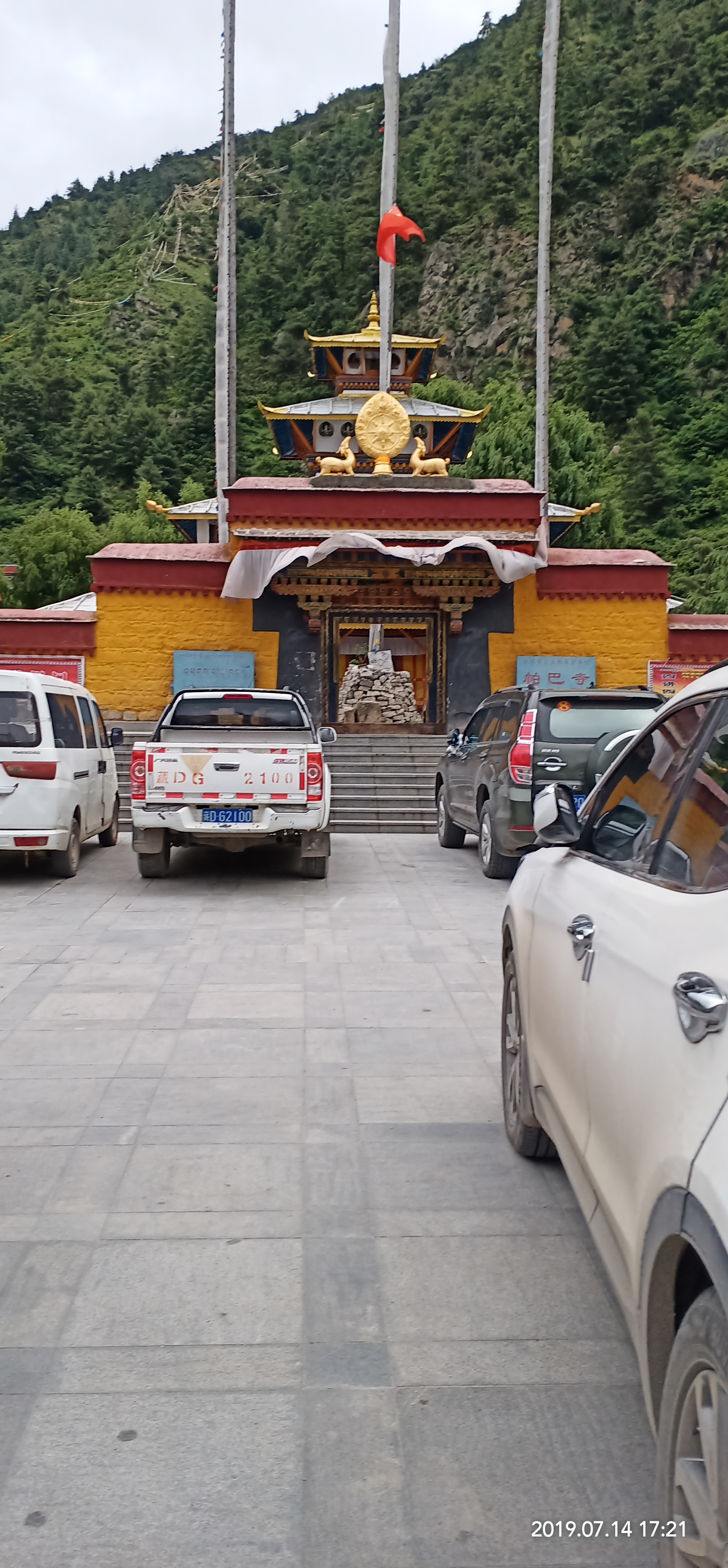
We literally hiked the valley east and west in last 2 days. The center of Kerung has a beautiful square with an old Buddhist monastry.
We start acclimatisation in Kerung and we start on Diamol, it’s a medicine to help with AMS.
Forgot to mention there are plenty of Bhang plants all over, literally all over. The smell in the air is very prominent, you cant miss it. Tomorrow morning we head north. Winter is coming!!

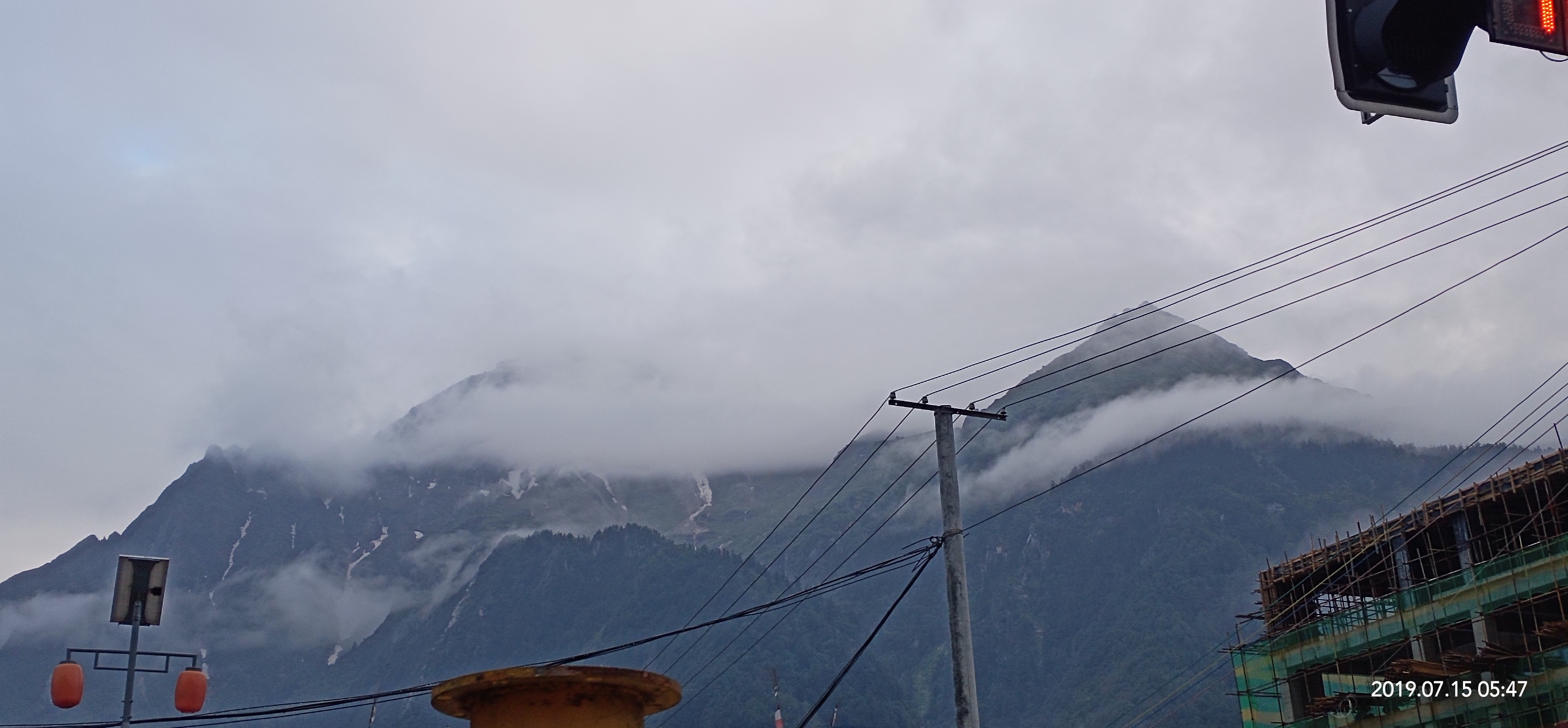
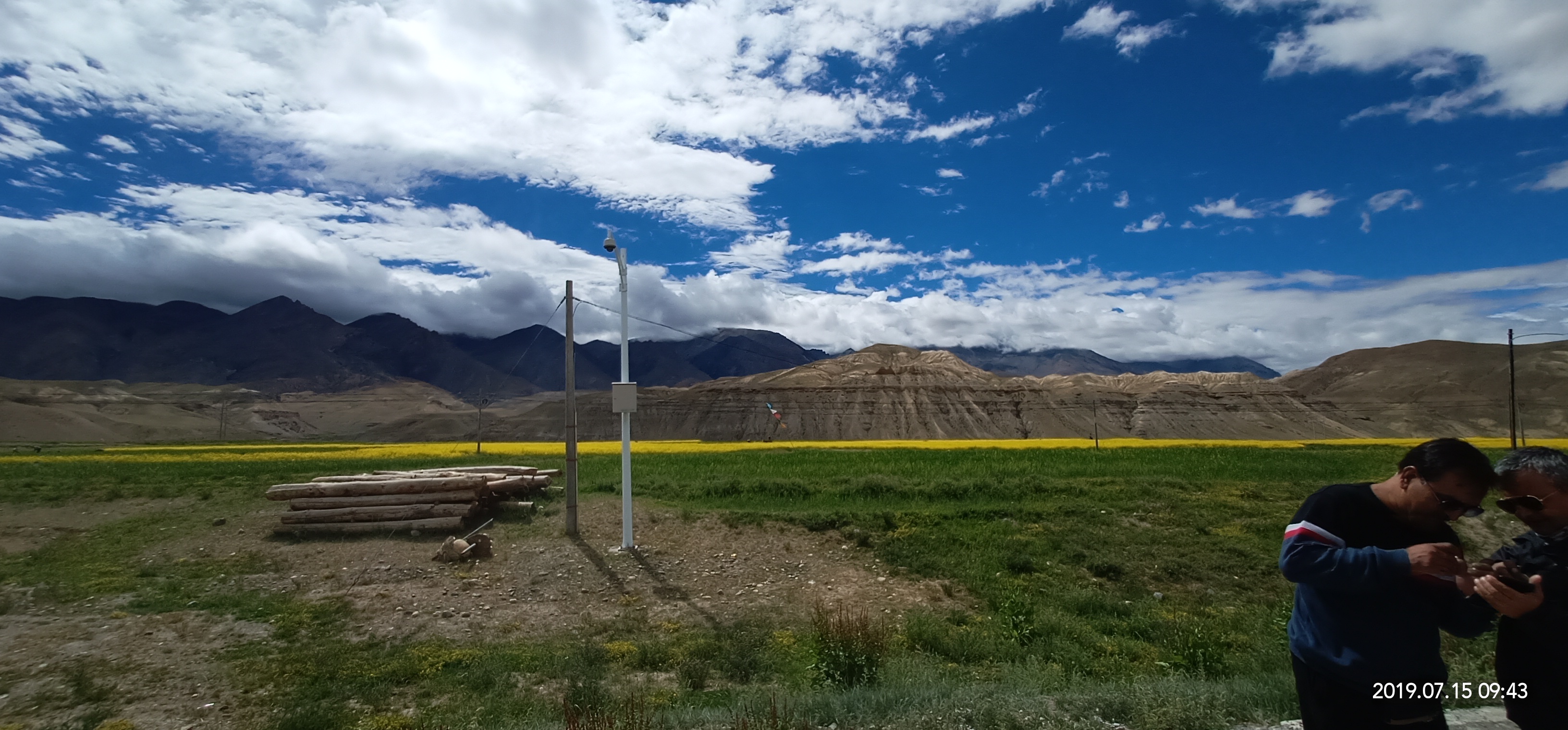
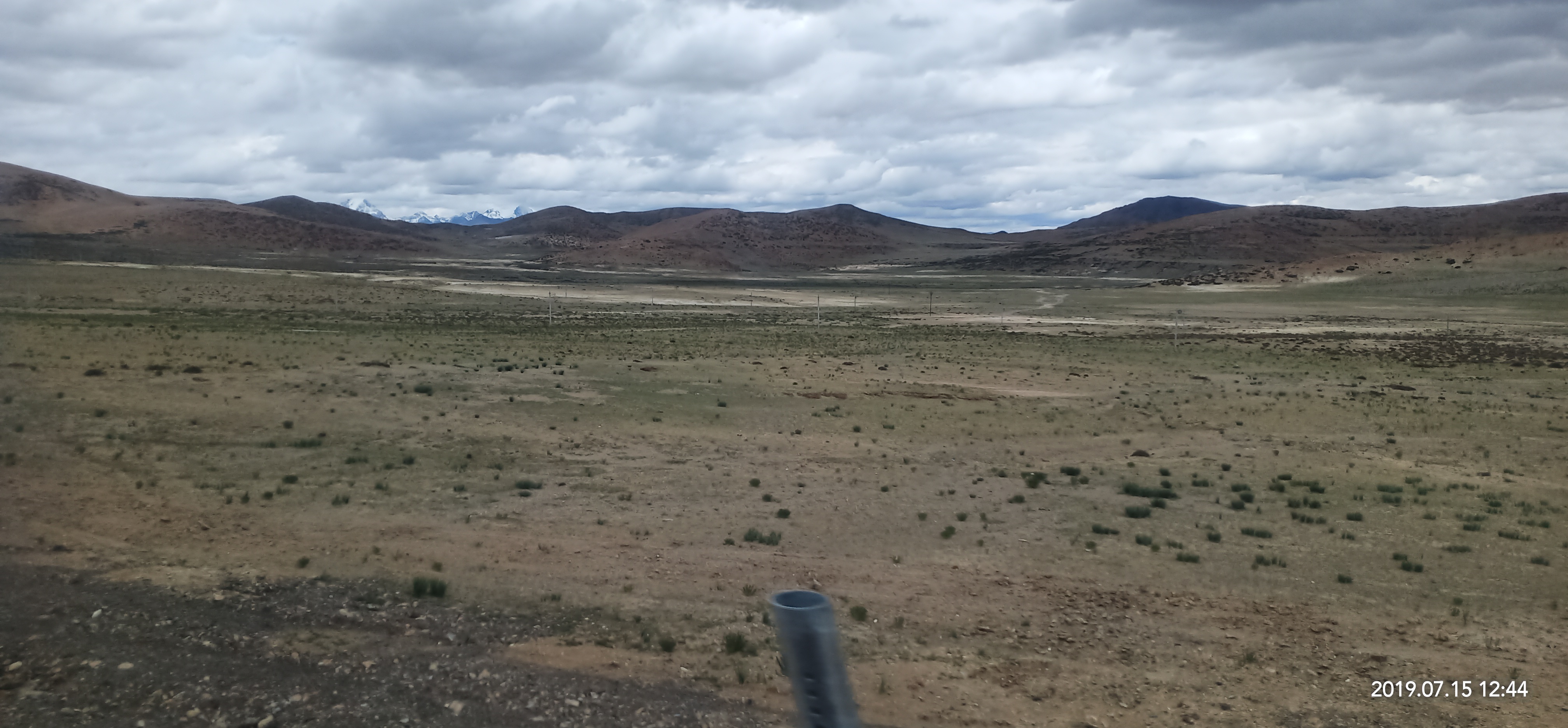
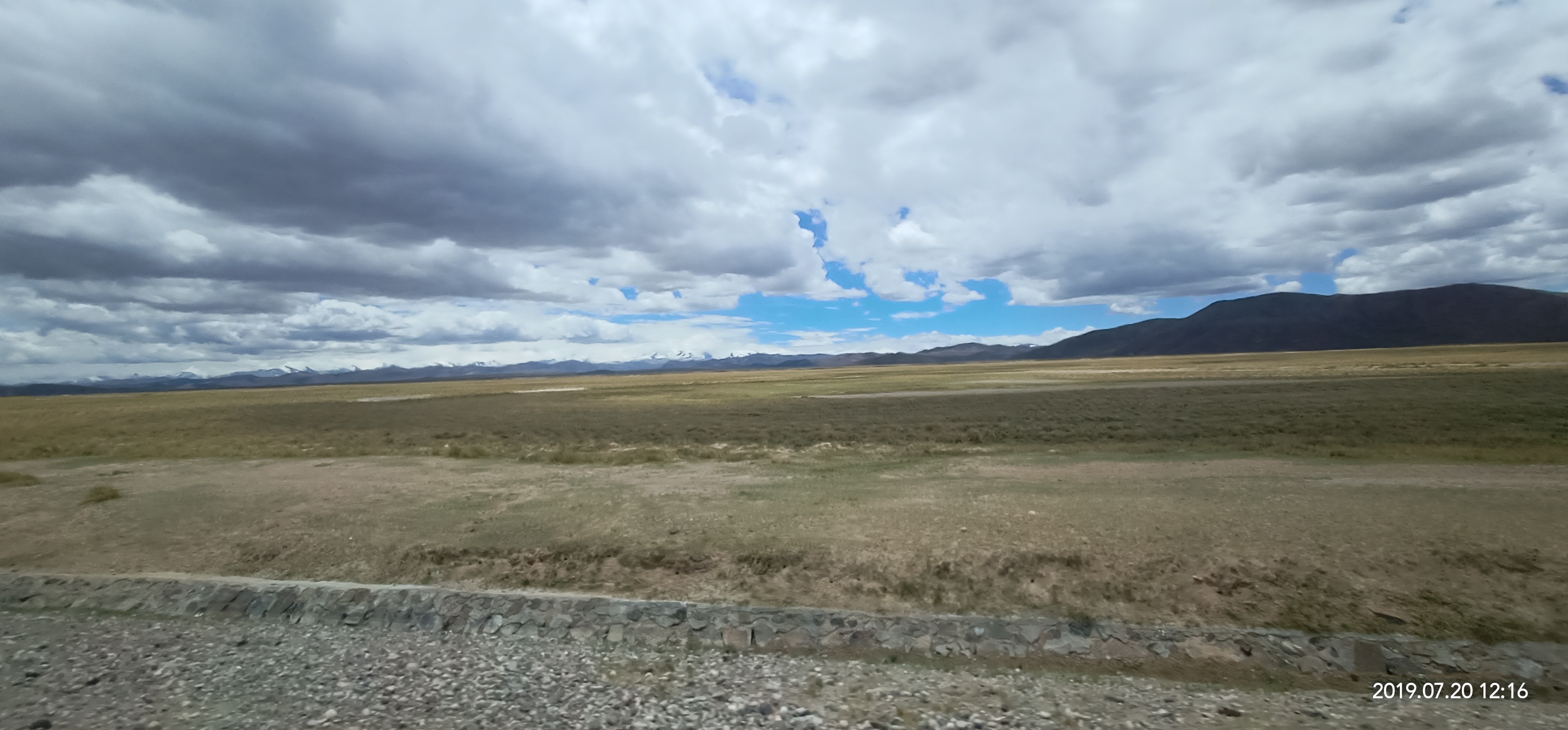
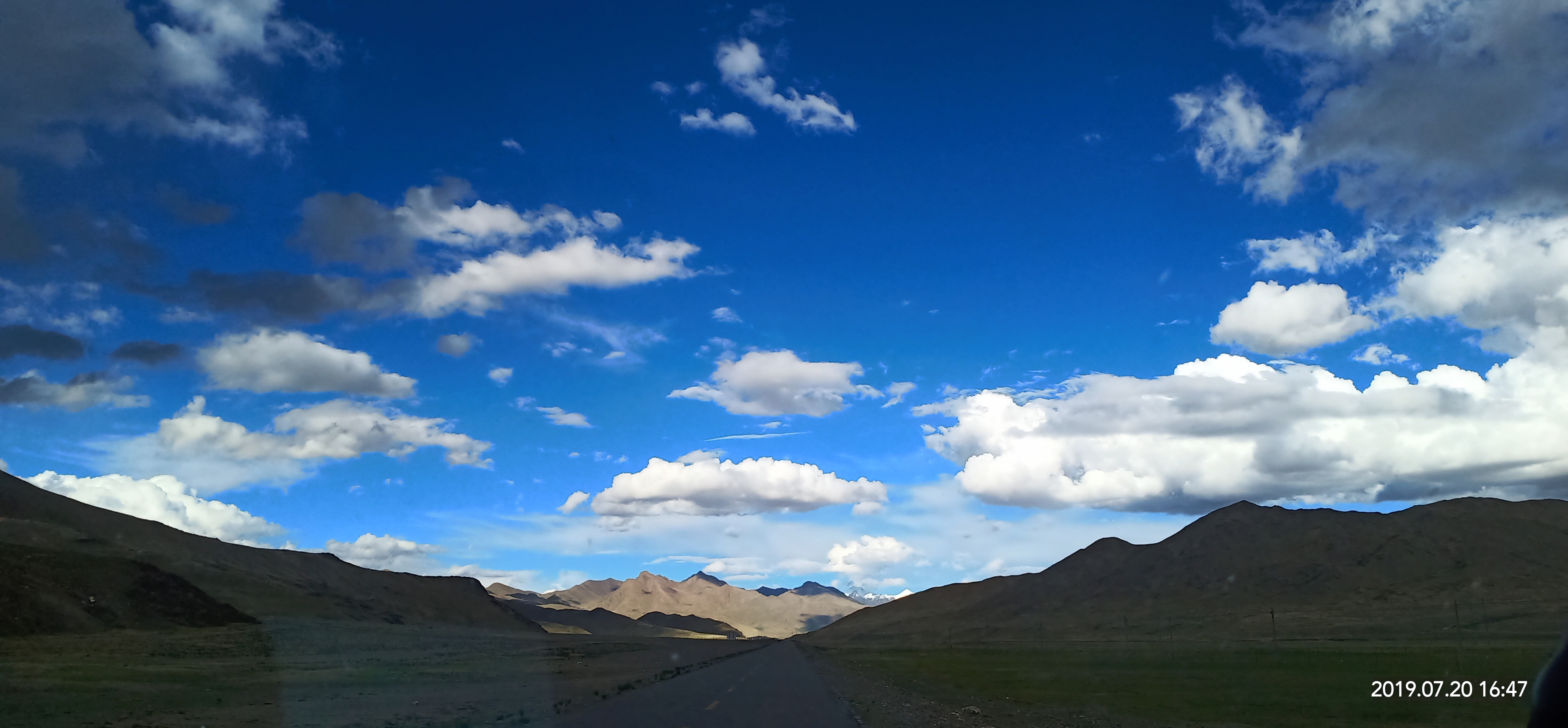
Day 6: Left Kerung towards New Dongba. 9 hrs journey started with lush green Kerung and in 30 mins we were in desert mountains. The views were breathtaking. Never seen sky so deep blue and scenery so picturesque like a painting. As soon as we stepped out for a photo break we never exactly how dangerous this beauty was. The winds were harsh n little oxygen, so anything we were doing we were doing in slow pace and taking it easy. The whole route with Bhramputra flowing alongside was just too magnificent to describe. We reached Dongba in the evening. We were at 4500m above sea level. Everyone was struggling with breath. This is why it is so difficult n dangerous. A bad judgement can risk life. We decided to go on small hike n do breathing exercise to acclimatize quickly. The walk was very much needed.

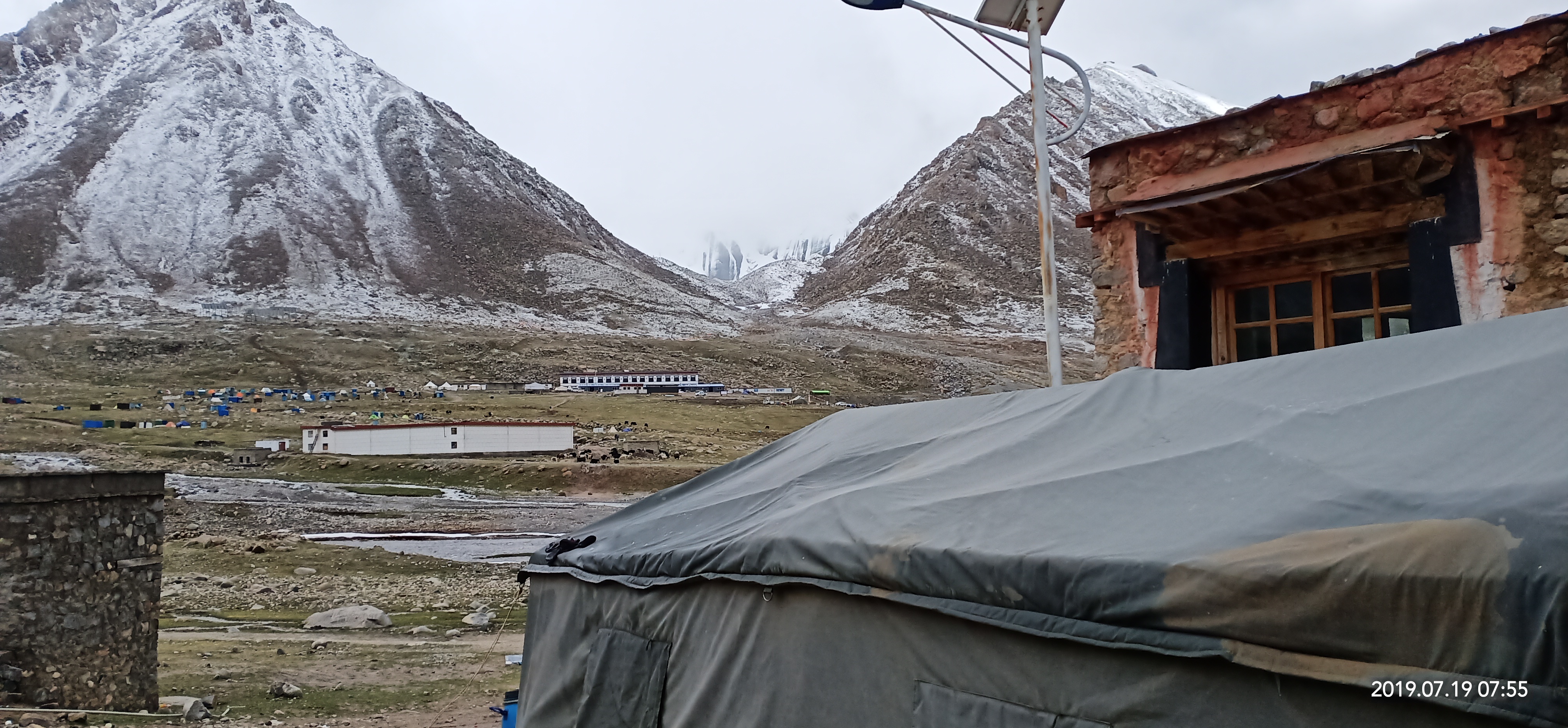
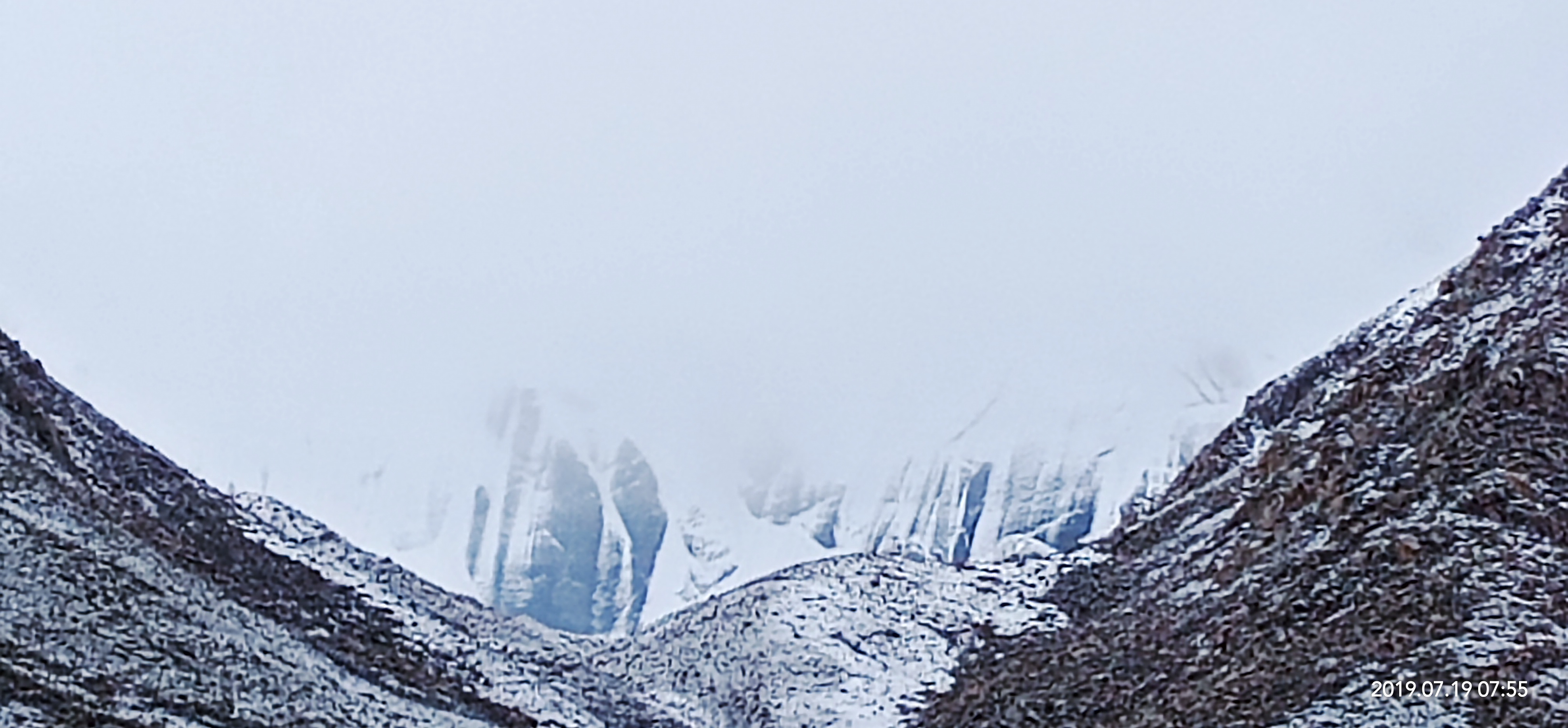
Day 7: We left early at 6 am today from the basic dorm in New Dongba where electricity n water was luxury. Thank God for that. We headed towards Mansarovar. The journey and altitude was not a problem today. We felt a lot better. We did Mansarovar parikrama today. And touched the holy water. We are staying overnight by the late today.We went on hike to a hilltop next to Mansarovar to get the paronomic view of the lake. This hill has monastry on the top and has 3 pyramid structures that replicated Kailash peak. Our intention was to get Kailash darshan today. It was raining when we left the hotel and by the time we were on the hill top the sun was out and the clouds cleared. We had our first darshan of Mount Kailash. Thanked God for the darshan and revealing himself. Felt blessed. Tomorrow morning we will take dip in Mansarovar, offer prayers and leave for Darchen. Our day parikrama will start from Darchen. Jai Bhole.

Day 8: We woke up at 2:30 to see stars falling in Mansarovar. A brief walk from hotel took us to the lake. The sight cant be explained in words. We came back after 2 hrs and started preparing for the puja on the banks of Mansarovar. We had bath in the holy water and did splendid Maha Rudraksha Abhishek puja with the group. Phenomenal group work. We started towards Darchen in the afternoon, gaining more altitude. We saw Om mountain and Kailash on the way. It’s been raining here ever since we are here. Tomorrow we start the Mansarovar trek from Yam Dwar.

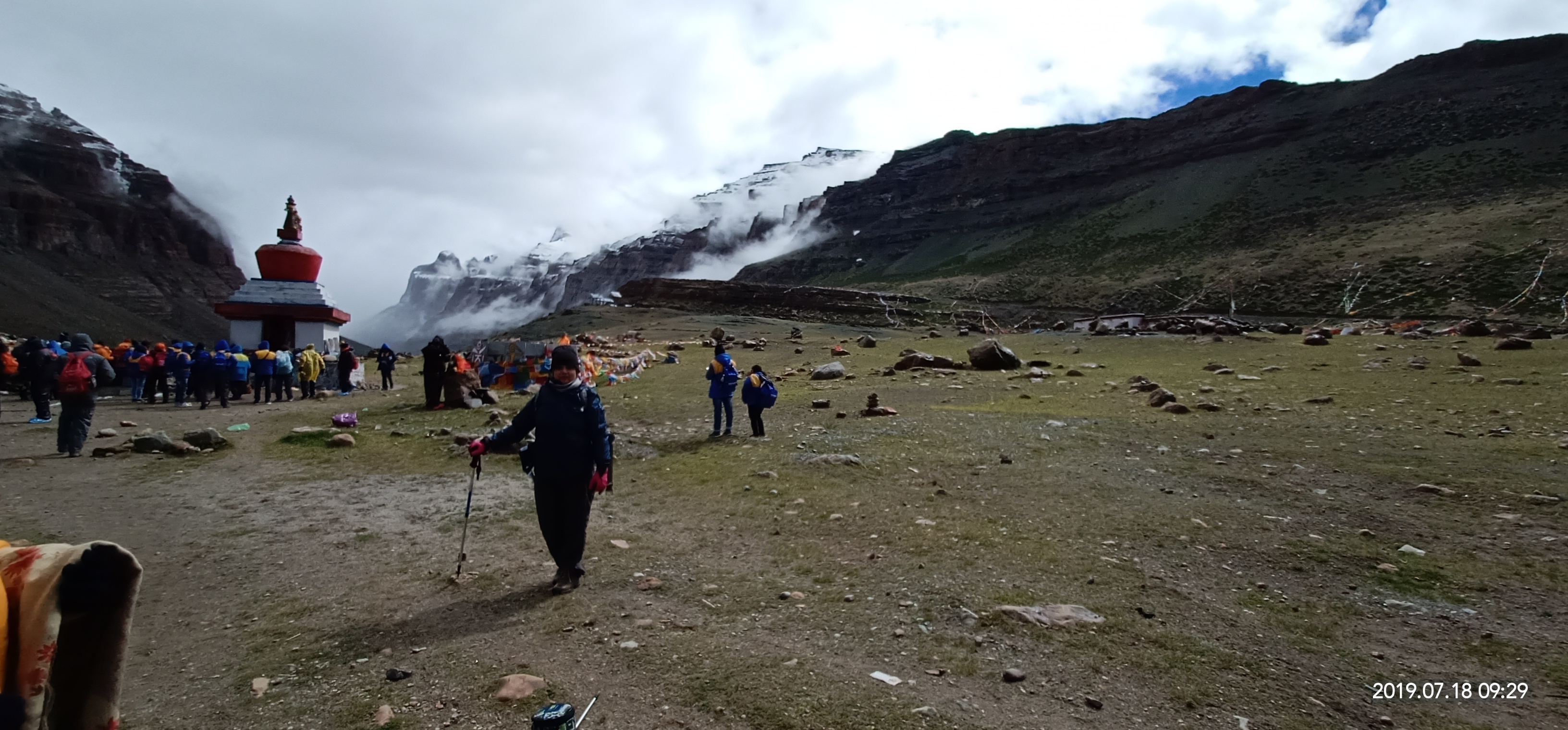
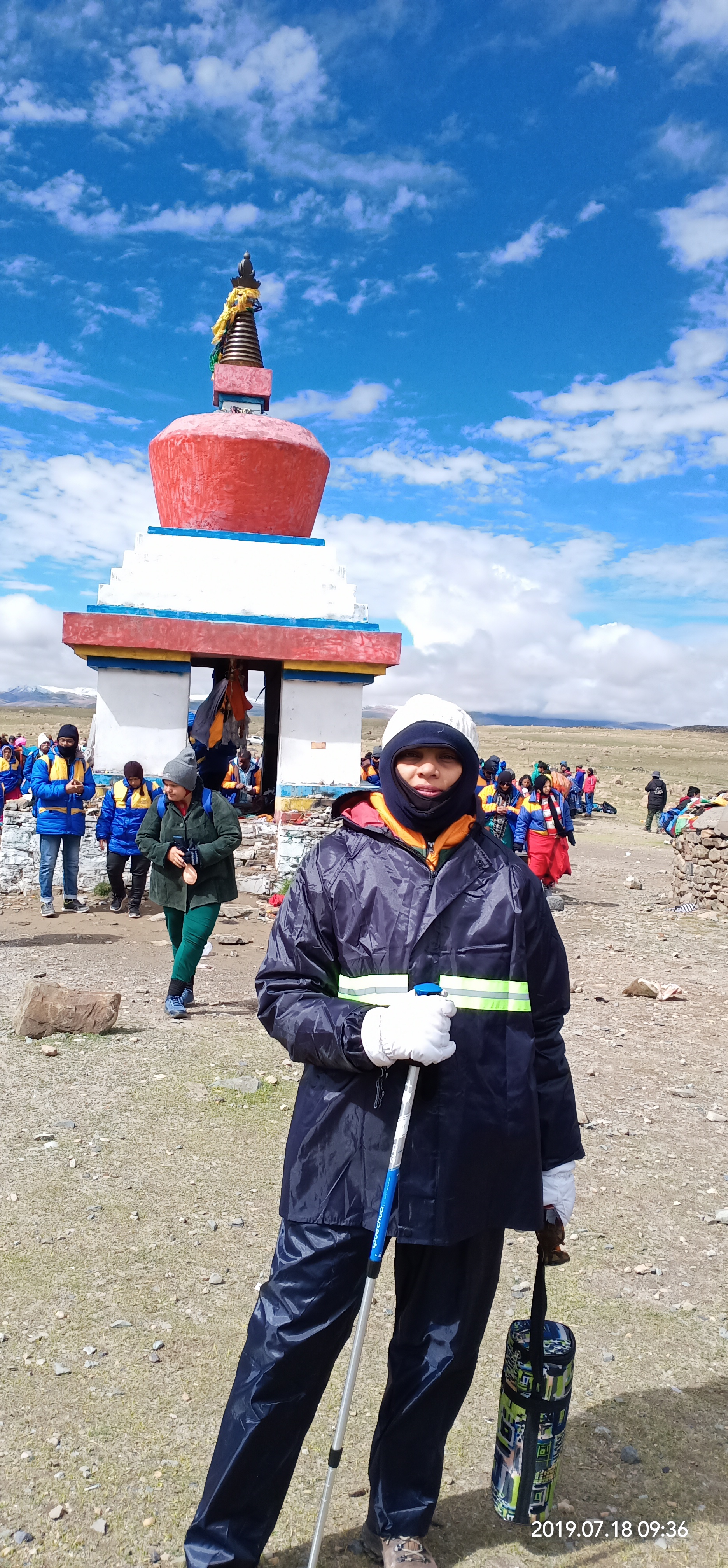
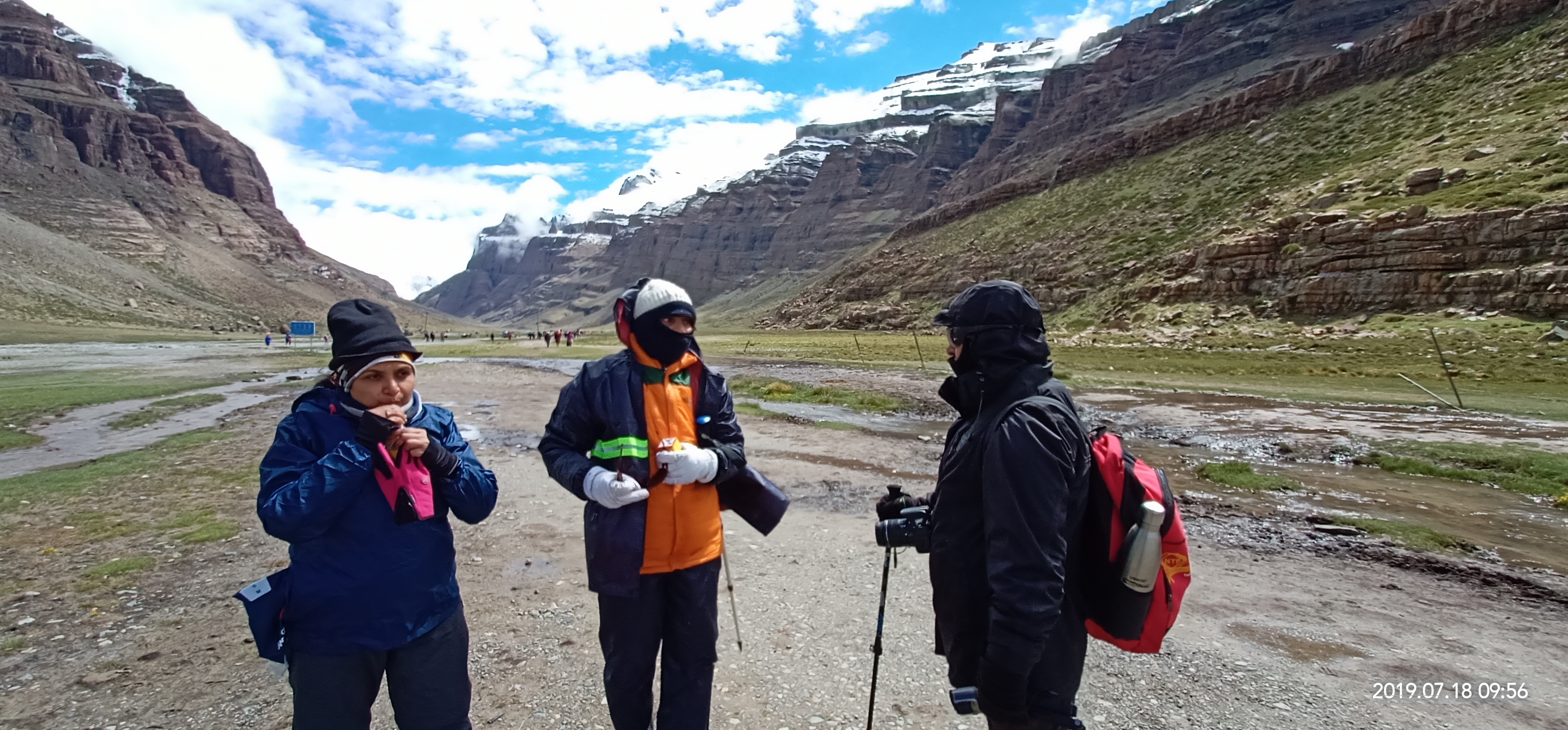
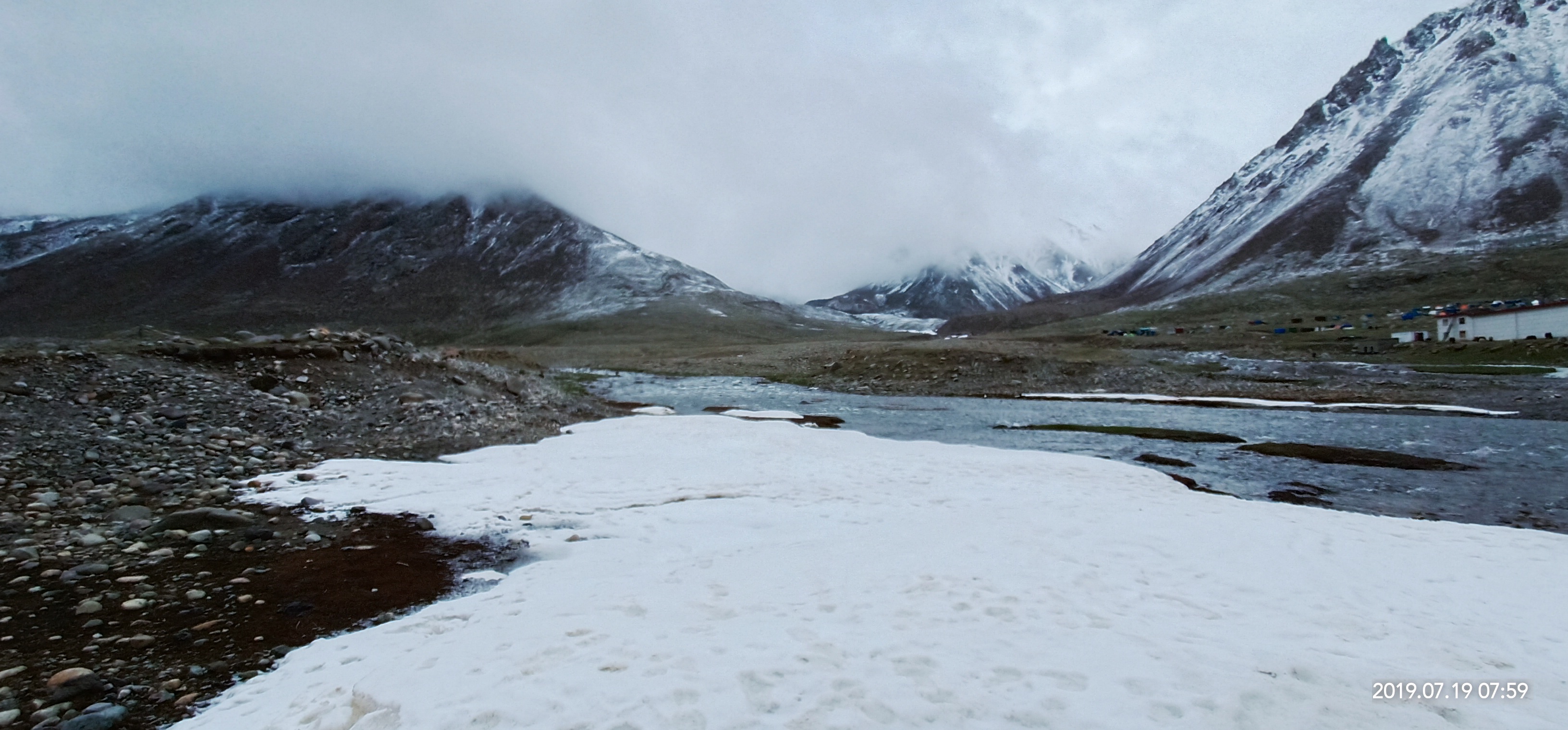
Day 9: We started Parikrama today from YamDwar. 15 kms done at a slow pace due to lack of oxygen. Luckily the group stuck together. Rain and snow added to the difficulty. Finally we reached Dirapukh. We stayed at the mud house with no fire or electricity. 
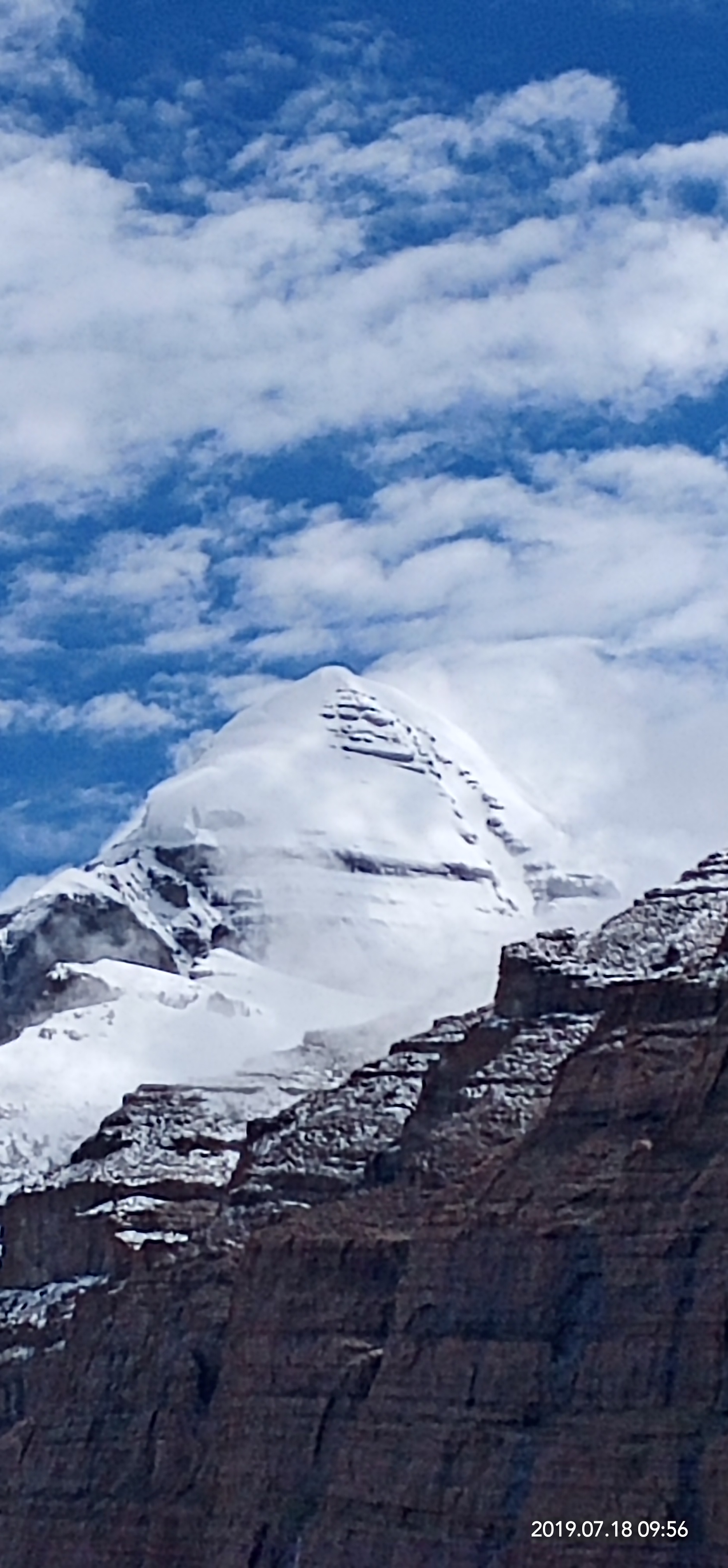
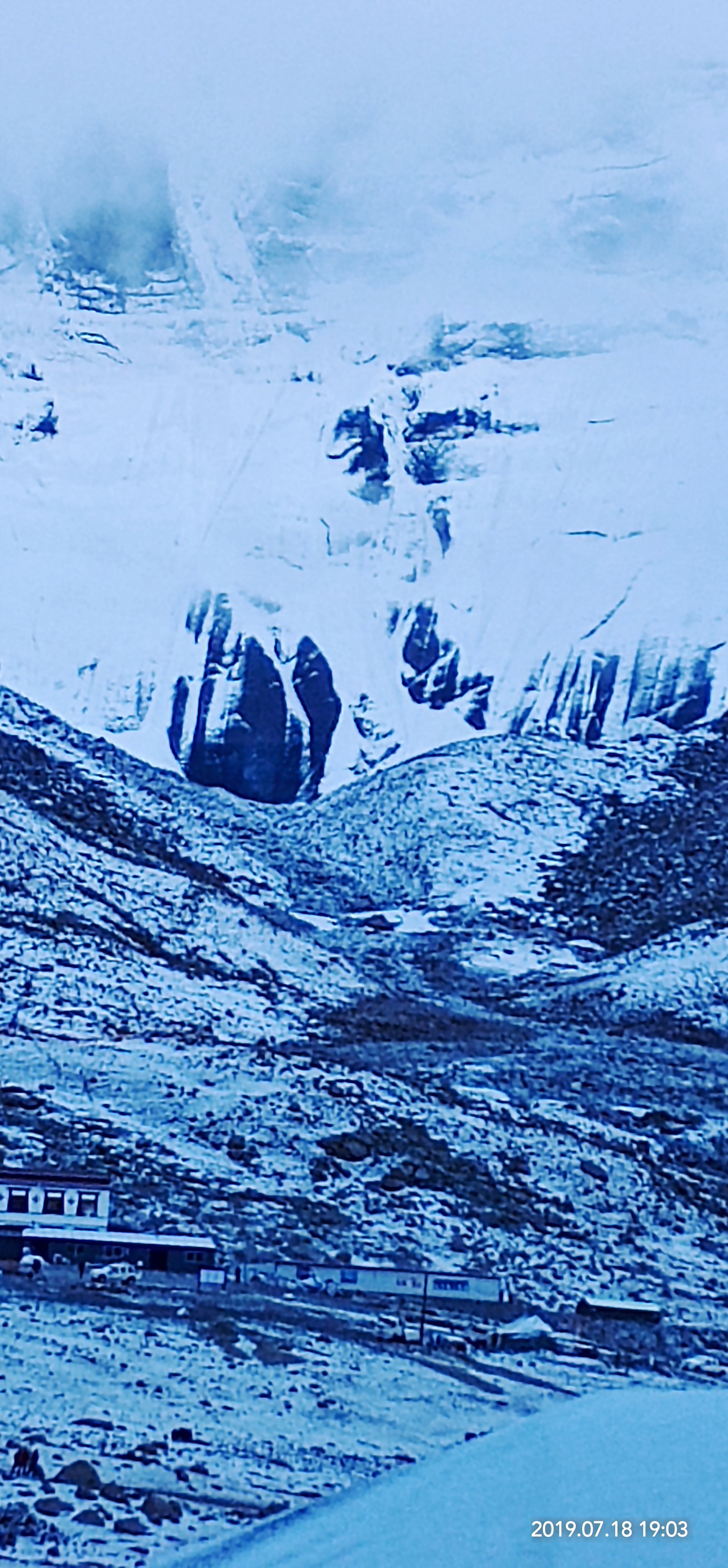
Luckily Kailash was just in front of us in full glory. The snow brought Kailash to life as many mythological characters started appearing. Overnight temp dropped and so does the oxygen. Many arriving after us came soaking wet and needed medical assistance. Luckily we carried had enough supplies like emergency blankets that helped. In all there was a good community spirit and people shared what they had.

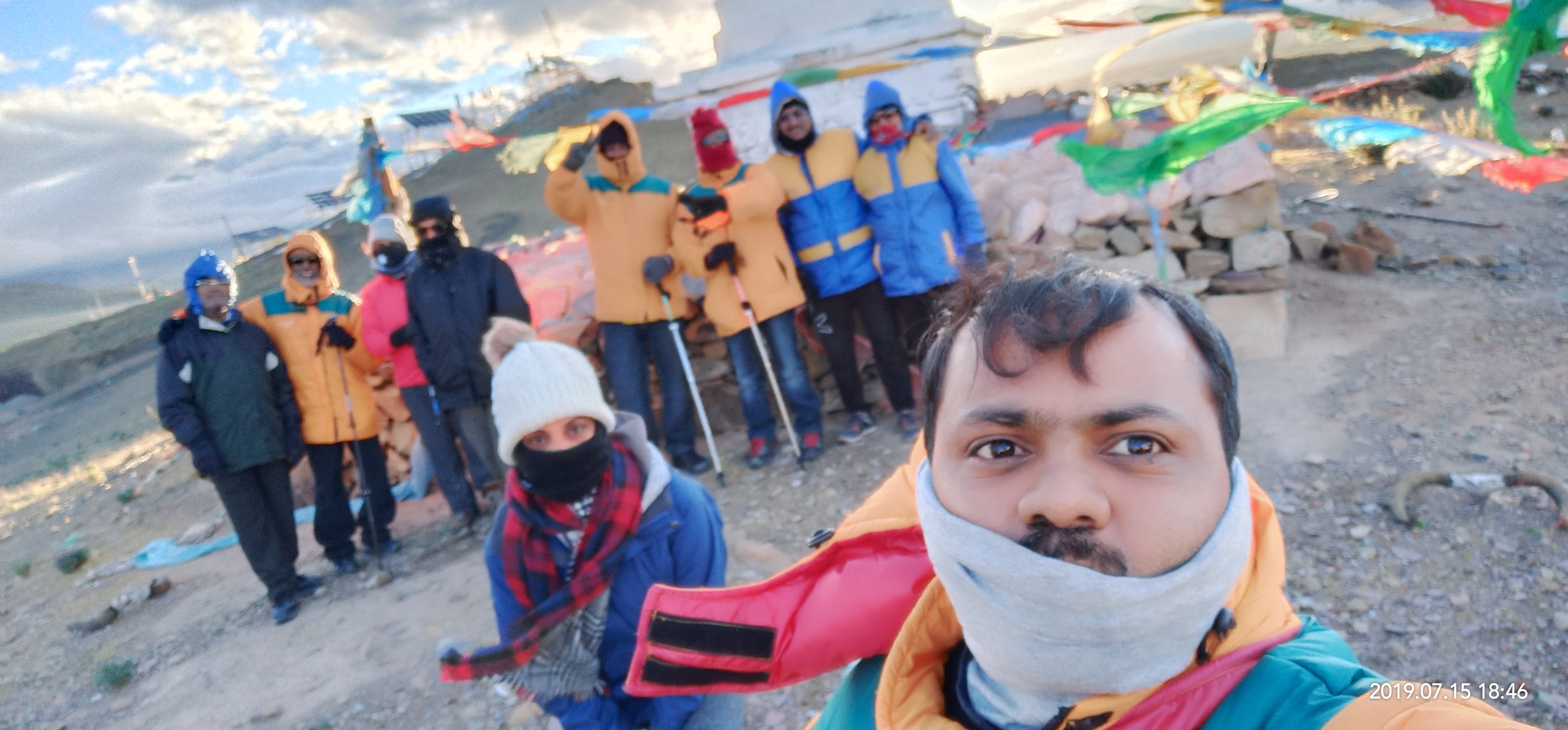
Day 10: The furry of bad weather continued through the night. The group was advised not to continue and ordered emergency evacuation as supplies were running low. I don’t think there was anyone in the group who was surprised with the outcome as nature is far bigger n supreme. Overnight drop of oxygen also caused some miseries. But we knew what to do and survived the night. By the time we were ready to move down the next day, the weather opened up but it was too late to start the onwards journey as we were asked to do 2 days of walk in one due to unavailability of overnight stay in Dolma pass. The decision was made by individuals not group as to what they wanted to do. Still 4 out of the group of 60 decided to go ahead and completed their Kora on 2nd day. Detailed Kora experience is shared separately. In short we all reach back Darchen by the evening with no reported causality. Indeed when the weather opened up, we made the most of the day. The full glory of Kailash is one to be felt and not to be understood. Things happen there that can’t be explained but to be accepted.

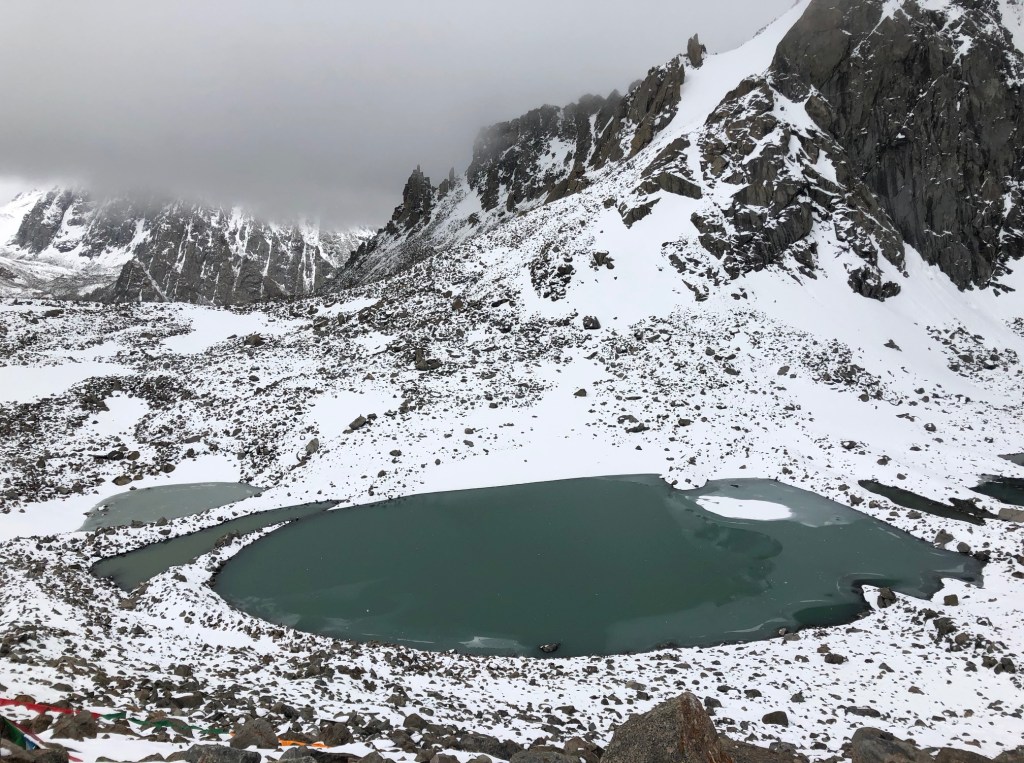
Gaurikund from Dolmapass

Day 11: We started early from Darchen to Saga. The journey was almost 12 hrs on bus. Leaving Darchen we were all quiet, as if no one wanted to leave. We could see Kailash from the city throughout the drive for as long as we could see. The weather was clear and bright in Darchen but it does not guarantee good weather on parikrama route. Coming back I could only think of magical experiences and great trekking routes. The first view of Kailash from Mansarovar after a trek uphill, the night by Mansarovar watching the stars dance, the grand puja at Mansarovar that none of us ever imagined possible, the Kailash in its grandeur and glory right in front of us and many many treks we did to acclimatize to high altitude. The great friends we made in the past 10 days and the experience we shared is second to none.This is one memory I would cherish forever. There has been so many things I m taking away from this trip that were not the part of iternary. The family we created here is just too precious, with ppl from Muscat, Malaysia, US , India , UK all a part of one big support system. We trusted each other n supported each other through thick n thin. When I started the journey, it was with no expectation. We hoped to see Mansarovar and Kailash. We did not expect anything much but what we saw and felt throughout is nothing but a gift. Himalayas on this side is as charming as Himalayas in India. The only difference is the scattered Tibetian monasteries everywhere we went. Tibetian culture is very intense and Tibetian people very happy and helpful. The journey back to Saga filled me with the sense of satisfaction that I received much more than I have asked for. Tomorrow we will start for Kerung and Monday will cross the border towards Nepal. Hopefully coming down will be as good as going up, only difference will be that we will enjoy the places we will stay rather than training every morning.

Day 12: Today we crossed the Nepal-China border and made onwards journey towards Kathmandu. Almost after the whole day’s travel we reached back Kathmandu in the night.

Day 13: We visited Pashupatinath temple back in Kathmandu and offered water collected from Mansarovar and Gaurikund. This concluded our Kailash yatra in its entirety. To add to the mix, we decided to take Everest return flight in the morning to see the giant while in Nepal. The flight was offered by Buddha air and the weather was clear, we had an awesome Everest experience. the view from the flight cockpit takes the breath away. To add to it, they give Mount Everest certificate that rightly says ” I have touched Mount Everest with my soul” , Priceless.

Day 14: Back to Delhi. Today we collected the memories and packed them, never to be missed. This journey will stay with us forever. We made some great family and the Kailash pilgrimage has offered us the magic we never hoped to witness. This has been a life enriching experience.

FAQ: The Head Spinners – whom to ask?


  1. Is the Manasarovar Yatra trek difficult? 

Yes, the Yatra trek is difficult but for two different reasons 

  • Lack of oxygen at altitude 4000 mtrs and above. 
  • Severe cold temperature complemented by snow and rain adds to the difficulty quotient. 

Solution: 

  • One has to practice and train him/herself (explained in later part) as mere morning walks won’t suffice. 
  • The choice of clothing, footwear and other trekking gear assures one of successful/unsuccessful Parikrama

2. Why is clothing important

  • Rain Coat. Most people tend to wear track suit/sweater for warmth and local rain coats for cover against snow and rain. These local rain coats gives (tear off/split due multi layer clothing inside) away in a few kilometre of trek.  
  • Winter Wear. The inner layer then gets wet and snow/rain only freezes the wetness adding to the severity of cold. 
  • Trekking Shoes Vs Snickers. The normal snickers/sport shoes do not protect your feet or socks from getting wet whilst walking in rain/snow. These then further can result in frost bite or blisters due to walking with wet socks. In addition, the terrain is rocky/slushy/snow covered.  These can result in ankle twist and sprains due to slippery track. A good trekking shoes (upto ankle and one size bigger) guard you not only from wetness but also guard your ankle from twists/sprains.  
  • Quick Drying Trousers. These, as the name suggests repel water snow to some extent and dry relatively quicker if wet. 
  • Trekking Jackets. These are generally waterproof and with sufficient pockets and pouches for one to carry essential items (explained later) in them.  
  • Balaclava. These are a must piece for every trekkers. It protects your neck, ears and nose from cold and dust. The added advantage is visiting the smelly toilets becomes a bit easy with the balaclava guarding one from foul smell to a great extent. 
  • Snow/Trekking Goggles. A must gear, either in your jacket pocket or around the neck. 
  • Gloves. A pair of waterproof gloves for trekking needs and a normal woollen one for local/ use during sleep. 
  • Inner Wear. Brief may be preferred over frenchie to avoid cut/rashes because of friction during long treks. Vest/Sports wear is recommended for upper torso. 
  • Socks. As recommended mode is layered clothing, the inner socks is always woollen whilst the outer one could be cotton one. This is the reason for buying the trekking shoes one size bigger that what one wears
  • Torch. A head mounted torch is a must in the area of no electricity. It should be either on the forehead when being used or around one’s neck (readily available) when not in use. Handheld are difficult to use. 
  • Swiss Knife. A must have pocket content for an adventurist. 
  • Lighter. A gas lighter (preferred over matchbox for obvious reasons) is a life saving tool at times of need. 
  • Vicks/Petroleum Jelly/Sunscreen Cream. Small tube/containers in the jacket pocket is essential for effective guard against UV rays, cracked lips and blocked nose because of constantly changing weather. 
  • Wet Wipes/Small Sanitiser. A must in jacket/trekking trousers pocket for ready use. 
  • Sweet & Salty Lozens. These are energy giving, safeguarding against acidity and protection against muscle cramps. 
  • Chikki/Energy Bars. Quick munch to charge one up to move on. 
  • ORS. A small amount mixed in water works as magic potion. One should never drink water during trek but take a sip roll it in mouth and swallow it as late as possible. Opt for this tactics so as to let the content last full trek.   

3. What should one wear at 4000 mtrs and above?

As regards Kailash Manasarovar Yatra, apart from multi layered thin clothing (inner most cotton followed by woollen and synthetic T-shirt), gloves and balaclava are a must.  

4. What is the best way to prepare for the trek? 

Everyone has an individual style but small change can add to enhancing stamina and avoid high altitude sickness. 

  • Walk. If one walks at speed X in normal course, he/she should trek at X/2 (half) that speed.  
  • Breath Control. Breath through your nose as it has two advantages. One, your breath is warmer as compared to when inhaled through mouth. Two, when you breath through your nose and synchronise walking speed, you are in your comfort zone. The moment you have to open your mouth to breathe, its an indication that you are exerting and gasping for more air. Stop and relax to come back to normal breathing through your nose. 
  • The above two techniques are definitely going to overcome the hardship of less oxygen and breathing in of cold air. Aim to achieve your goal of completing the trek like a mountain goat – slow with small steps and steady climb. 

5. What is the best time for planning the Yatra?

  • The Yatra is open from June till Oct. The factors that could be borne in mind for choice of window apart from personal reasons could be as follows: – 
  • July is monsoon season when roads in Nepal/Sikkim are in bad state. Also there is high chance of snow and rain during the trek.  
  • By October, the temperature could reach uncomfortable lower level with onset of winter for most of the travellers. 
  • June, Aug and September may be considered relatively better for the Yatra. 

6. Communication

  • Most of the places one gets Wifi, maybe for limited duration due availability of electric supply. However, as Whatsapp is banned in China, one cannot upload/download photos/videos. The best solution is to download a Virtual Protocol Network in order to, so called, hack the system and use Whatsapp/such sites. 

7. Dealing with Chinese Guides and Porters.

  • Once in China, the tour Guide and Porters are on their free will and cheat the tourist royally. The tour operator back in India, wash off their hands off and refuse to take note. Case in example, Porters charge INR 10,000 equivalent per day in advance but not necessarily found around when one requires help. Pony charges are INR 40,000 equivalent but only till no-snow zone. As soon as one enters snow-zone, he/she has to dismount the pony and trek thereon without guide/pony. 

8. Diamox for AMS?

Certainly, if you have not done altitude training or have no exposure to high altitudes before then please start Diamox the day you leave Kathmandu towards Tibet. Please ensure you are hydrated and kept warm while on Diamox.

Kit list


LIST OF THINGS FOR THE YATRA :

  • Back pack (water proof)
  • Duffel bag (water proof)
  • Money belt
  • Black bin bags (to water proof bags and for wet clothes)
  • Emergency Blanket
  • Hot water bag
  • Emergency kit

CLOTHING :

Clothing should be normally light capable of providing enough warmth preferably dark colors so that dirt is not easily remarkable.

  • Track Suit 
  • Shirts long sleeved made of wool of flannel 
  • Towels & Napkins 
  • Pairs of cotton or woolen Socks
  • Muffler 
  • One pair woolen and one pair cotton hand gloves.
  • Pair of sandal with back strap 
  • One pair of Hiking / Tracking boots.
  • Under garments 
  • Skirt for lady (good for open toilet) 
  • Shawl 
  • Woolen sweater with high neck 
  • Monkey cap (Balacave) / snoot
  • Wind Cheater with a hood (water proof)
  • Pants loose fitting 
  • Thermals pairs 
  • Night wears.
  • T-shirts.
  • Lycra top for Mansarovar for bath (optional)

TOILETRY :

  • Sun block cream – 30+ SPF
  • Tooth paste and brush
  • Soap & Shampoo
  • Skin moisturizer
  • Toilet tissue rolls
  • Hand mirror
  • Wide tooth
  • comb / Brush.
  • Lip balm
  • Wet Wipes 
  • Body Wipes
  • Tissues
  • Panty liners (women)

MISCELLANEOUS :

  • Alarm clock (Optional)
  • Video and steel camera with extra batteries.
  • Torch with batteries.
  • Note book – Record your Thoughts & Feelings. (Optional)
  • Water can with m-seal (Sealant) for bringing the Manas Holy water.
  • Good Sun glass with retainer (thread/chain) 
  • Whistle to hang around neck while doing Parikrama/Kora.
  • One litter thermos flask Holder with mug cover.
  • One liter water bottle.
  • Swiss army knife or multi nail cutter.
  • Shaving kit.
  • Locks for bags.
  • Air Pillow for tent & Neck rest pillow for car & airplane.

FIRST AID MEDICAL KITS :

We highly recommend you to consult your own doctor before you start the trip and bring the medications as per his/her advice. However following items are worth full to bring.

  • Daimox 
  • Paracetamol (crocin)
  • Pain killer
  • Eye drops for burning eyes
  • Multivitamin pills
  • Muscle relaxant
  • Antibiotic
  • Motion sickness and high altitude sickness medicine
  • Vicks vaporub
  • Neosprin ointment
  • Band aid
  • Antihistamine (contact cc)
  • Knee-cap
  • Electral powder
  • Thermometer
  • Dust Mask 
  • Cotton ear plugs for protection from cold wind
  • Camphor (tie in cloth and made hand band- to be sniffed occassionally as soon as you hit Tibet)

EATABLES :

Bringing your favorite snacks are highly recommended like – Biscuits, Khakras, Dry Indian snacks & sweets, Dry fruits, Granola Bars, Candy, Precooked foods etc. Ensure salty snacks and protein bars are in the pack. Things like dry fruit Chikki, peanut bars, soup powders come in handy. Mink chewing gums and mint sugar candies come in handy on long travel days and also during trekking.

Puja Samagri – As per your tradition. You will need this in Mansarovar. We did Rudrabhishek in Mansarovar and the group had made all the preparations for it.

About the authors:


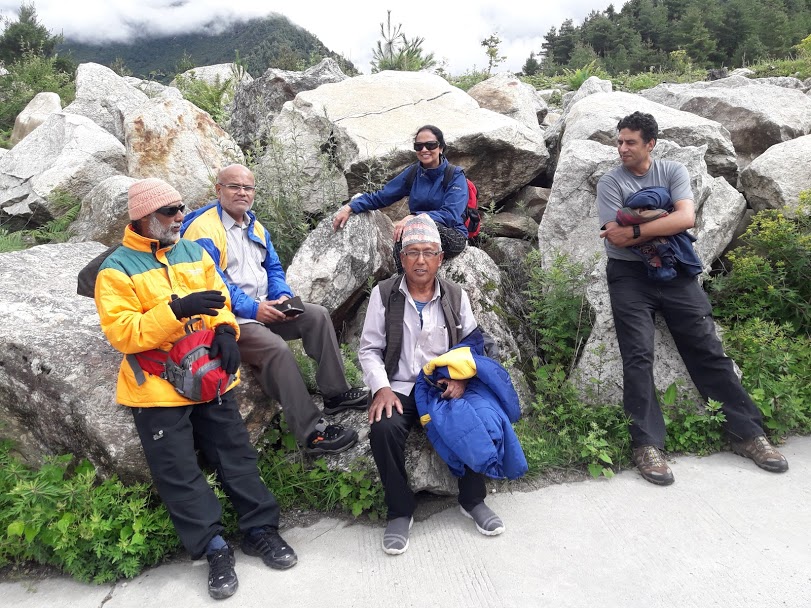
The blog is an attempt to document and share Kailash Kora experience with the beginners. We took this journey in July 2019 from Kathmandu. The group is diverse as no two of us come from the same background, still we share one common goal and we got what each of us wanted from this epic journey.

Manoj Choubey (Delhi): Manoj 52, is an adventurist and a biker with overall good physical fitness. He is the mind of this group. He believes that with good home work and preparation anyone can do the Parikrama. The Blog is his idea, to attempt, educate and motivate maximum enthusiasts in order to enable them complete the Parikrama overcoming the difficulties of high altitude related issues with relative ease. His detailed documentation of preparation required in various fronts (physical, mental, kitting up etc) alongwith the two co-bloggers is an attmept to clear the basic queries of lesser experienced enthusiasts.

Satish Kumar Yellajosyula (Muscat): Satish is Business Operations Manager in Muscat. Satish is very spiritual and his reason for the journey was to experience Kailash in its entirety. Satish is 38 years old and he is the heart of this group. He is emotionally sensitive which came in handy when you are on high altitude and the mind stops reasoning due to lack of oxygen.

Monika Upadhyay (UK): Monika is Delivery Manager in an IT firm in UK. Monika is 41 and is trekking enthusiast who brought life to the group. She has done quiet a few treks in UK and in India. Her desk job dont allow to train for this journey so she will throw in the importance of physical and mental fitness for this journey alongside tips on kit and preparedness.

Featured

Introduction


This is an attempt to share personal experience by 3 travelers to Mount Kailash to document their experience and also to help future travelers prepare for this life changing experience. The blog is compiled by Satish, Manoj and Monika, 3 very different trekkers with different experience level, one common goal and one journey to share.

Background: Kailash Mansarovar yatra from Kathmandu usually starts in early April till late September. Weather in the mountains are always unsettled but according to the locals, the best time to do it is either in June or in September. The possibility of clear weather is more in September and one gets clear Kailash view during Kora, the only downside is that the nights gets very cold in September.

We did Kora in mid July, it was raining in Kathmandu but onward journey was pleasant. One must always be mindful of waterproofing weather its the luggage or yourself as passing clouds on higher altitude can make you wet in no time, so raincoats should always stay handy. We will discuss kit and preparation in the later sections.